Woodland Gardens

The genus Rhododendron is exceptionally large with over 1000 species.

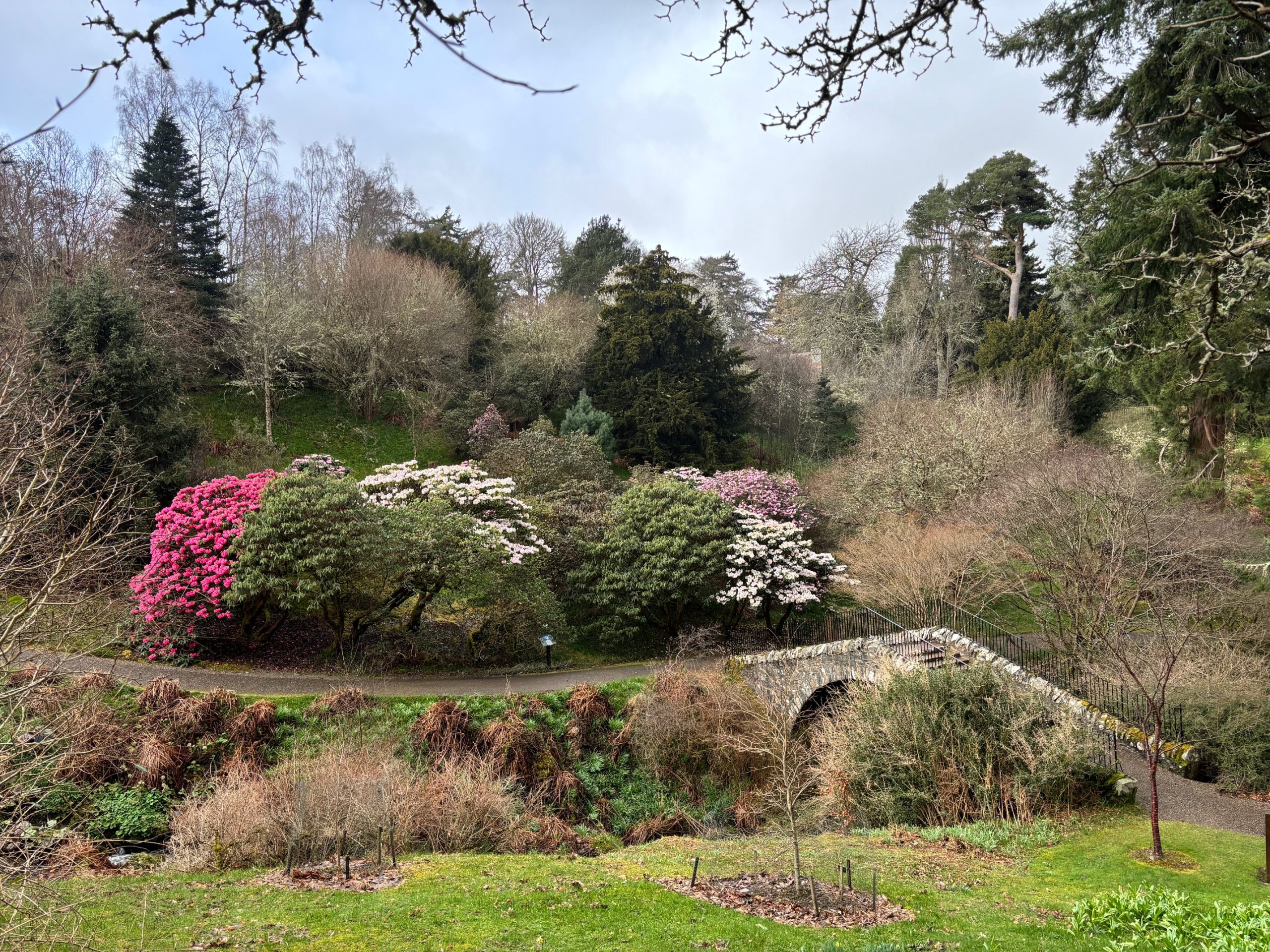
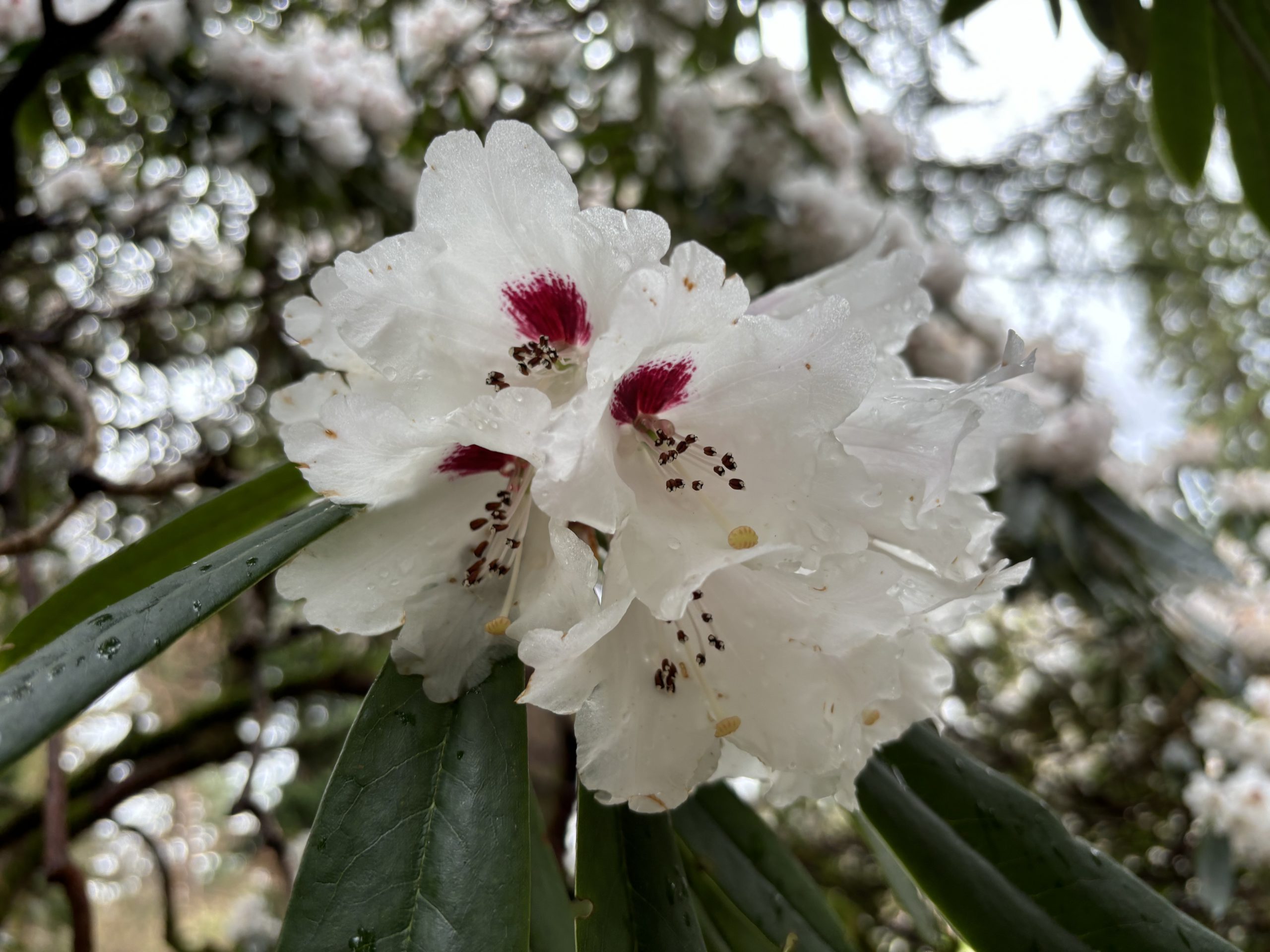
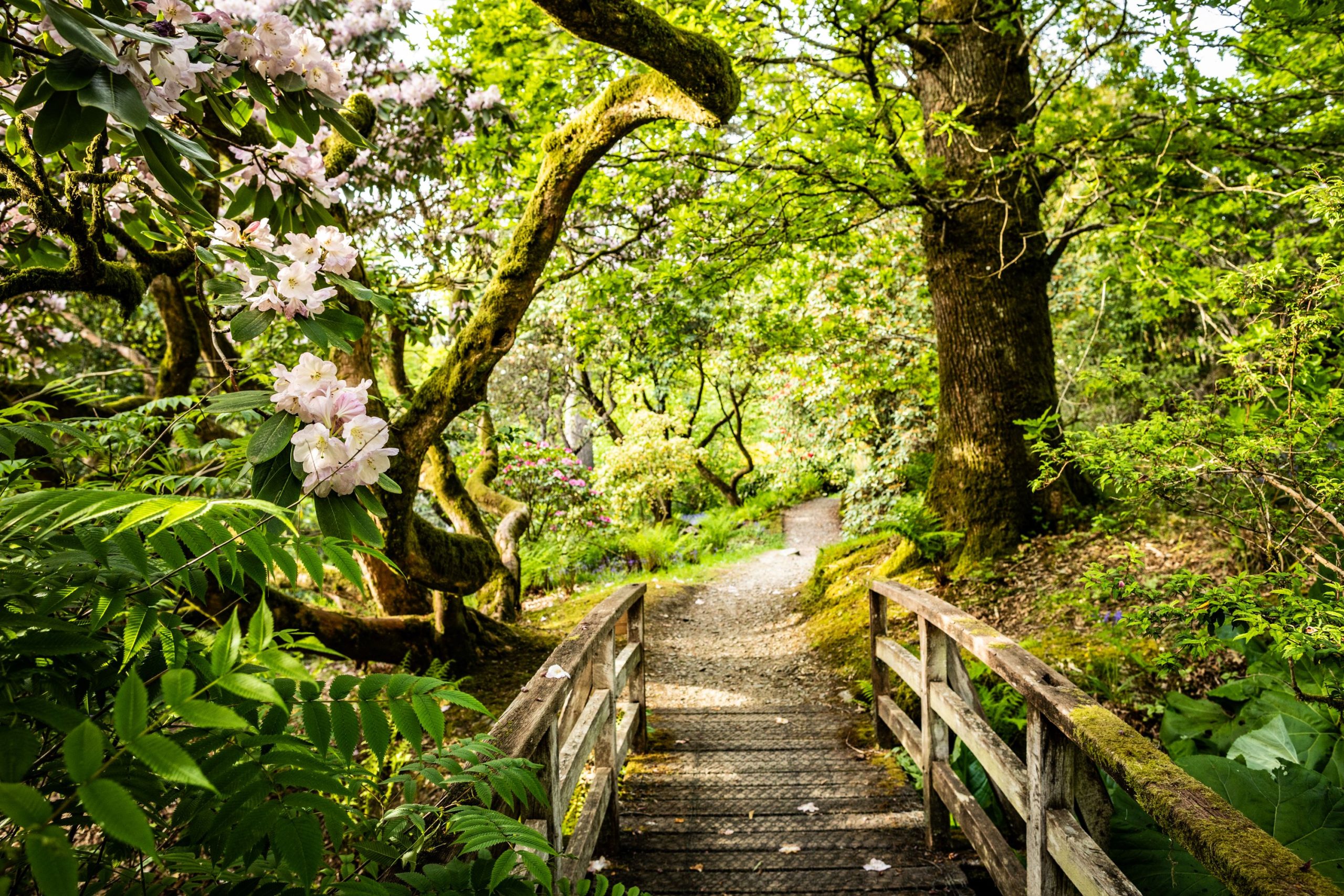
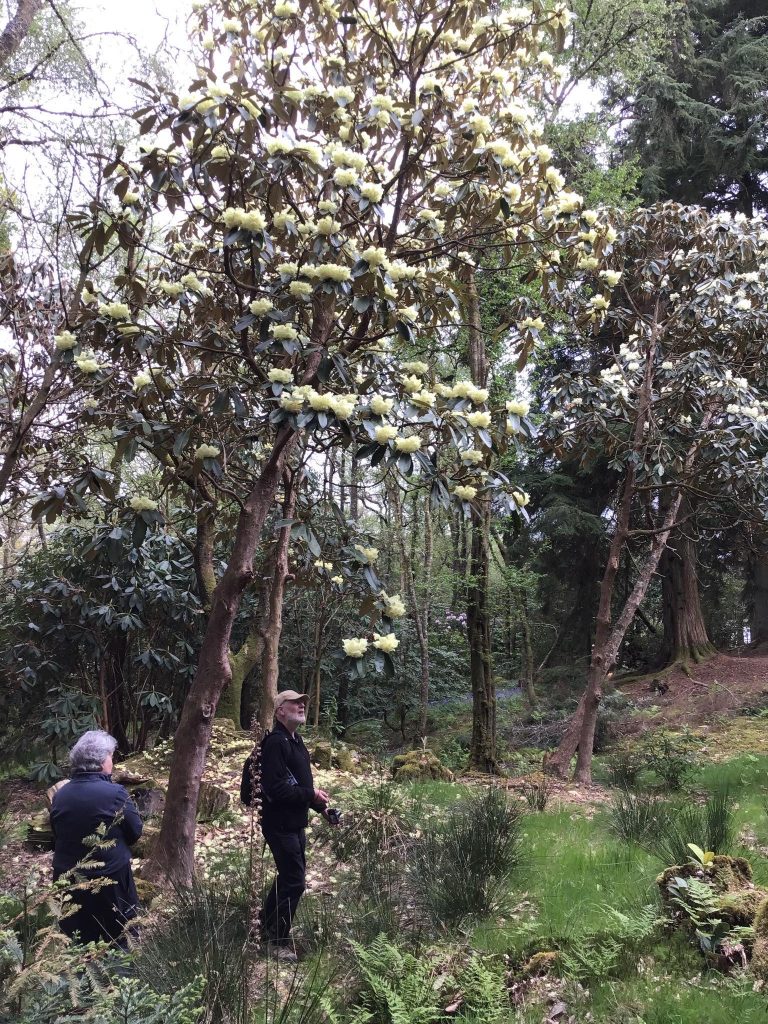
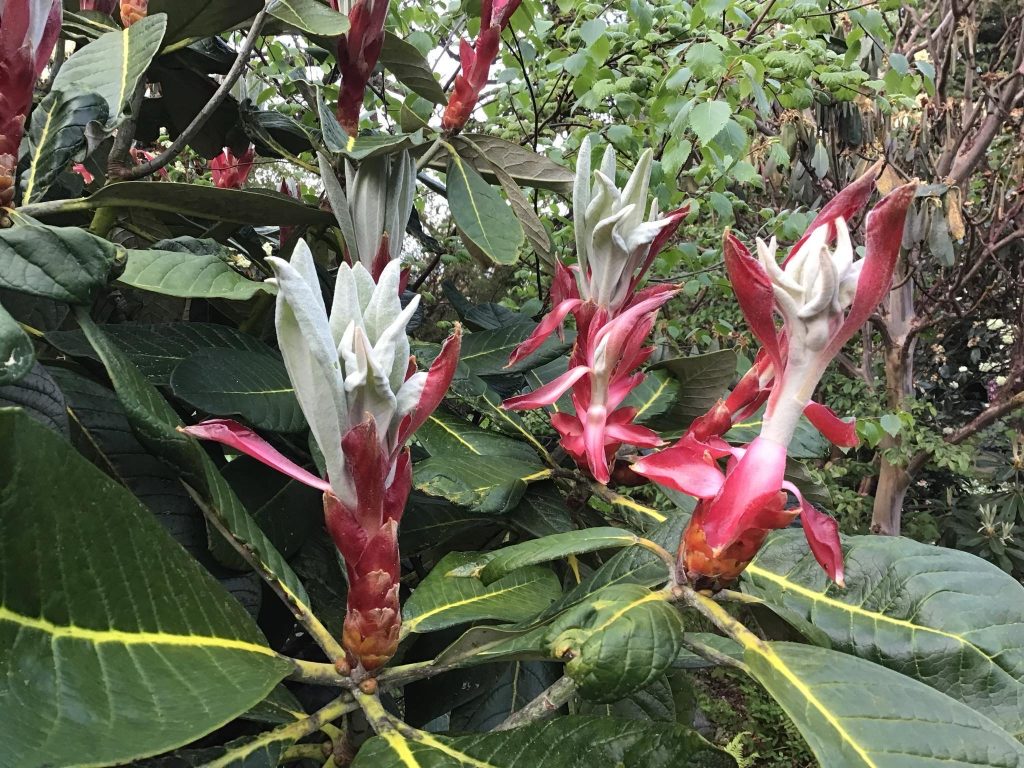
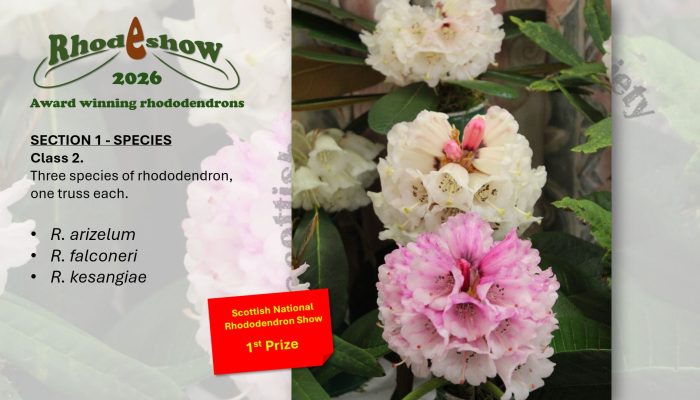
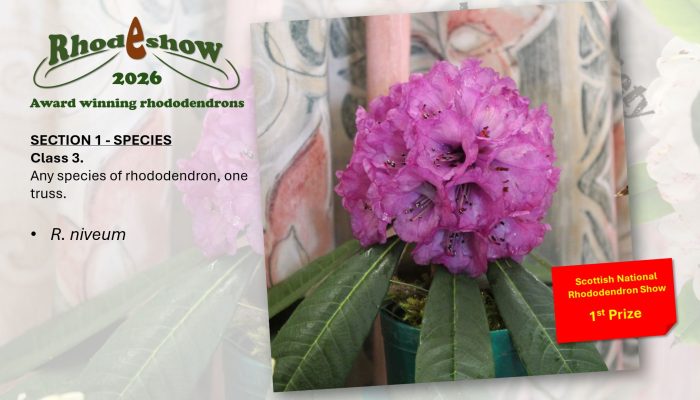
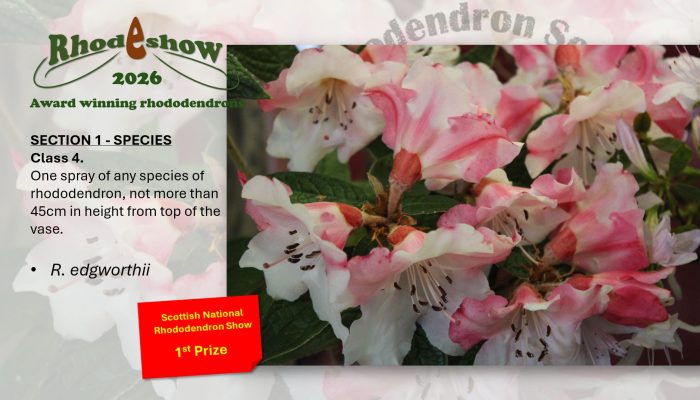
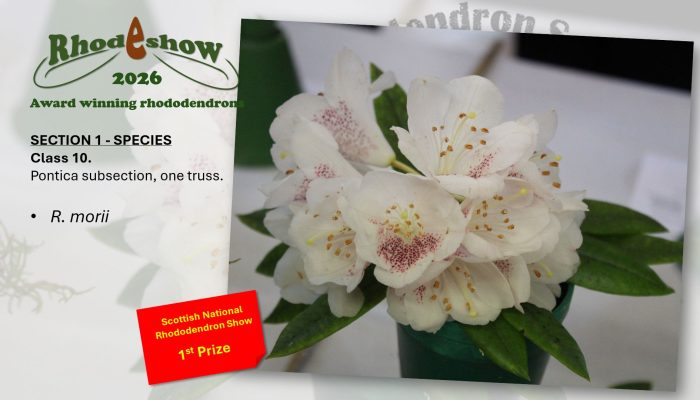
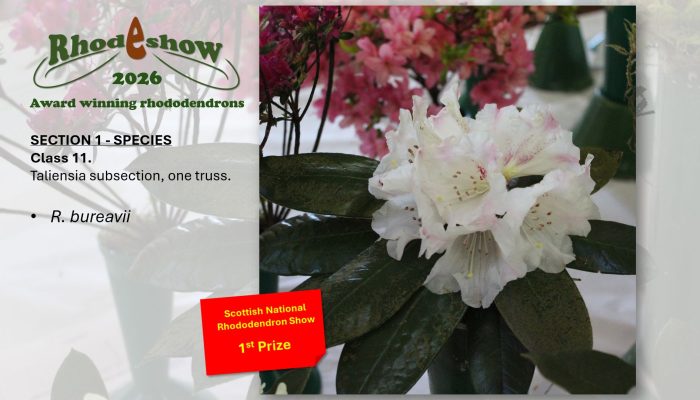
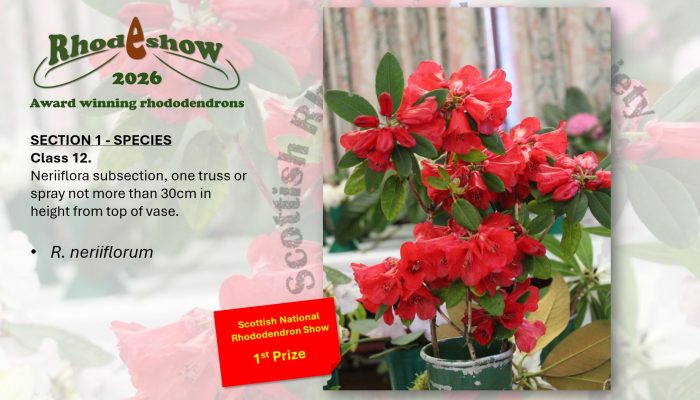
This results in great variety, from the smallest Alpine rhododendrons to impressive forest trees, all exhibiting different characteristics and features which make them so interesting (and eminently collectable). Their flower power is exceptional and a great majority can be grown in Scotland. They are found in parks and domestic gardens but also in larger gardens open to the public; beautiful displays and, most usefully, in those collections that are labelled, where names can be put to plants.
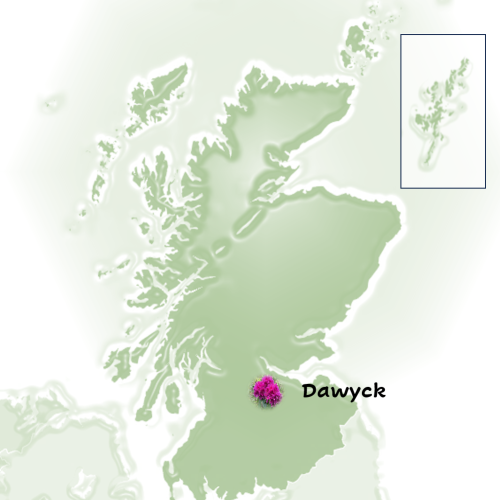
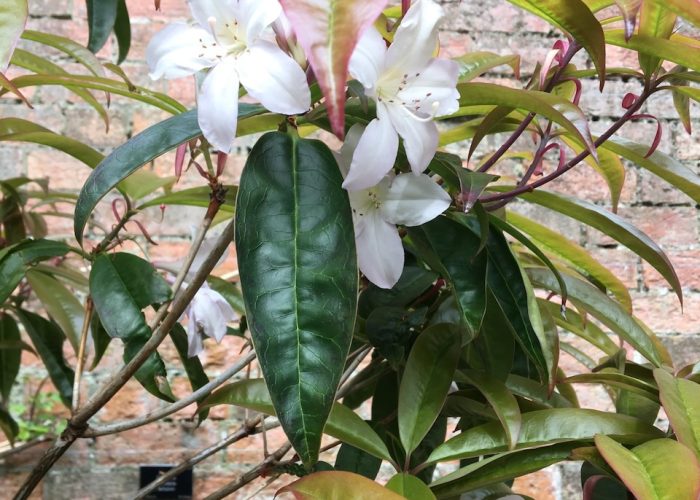
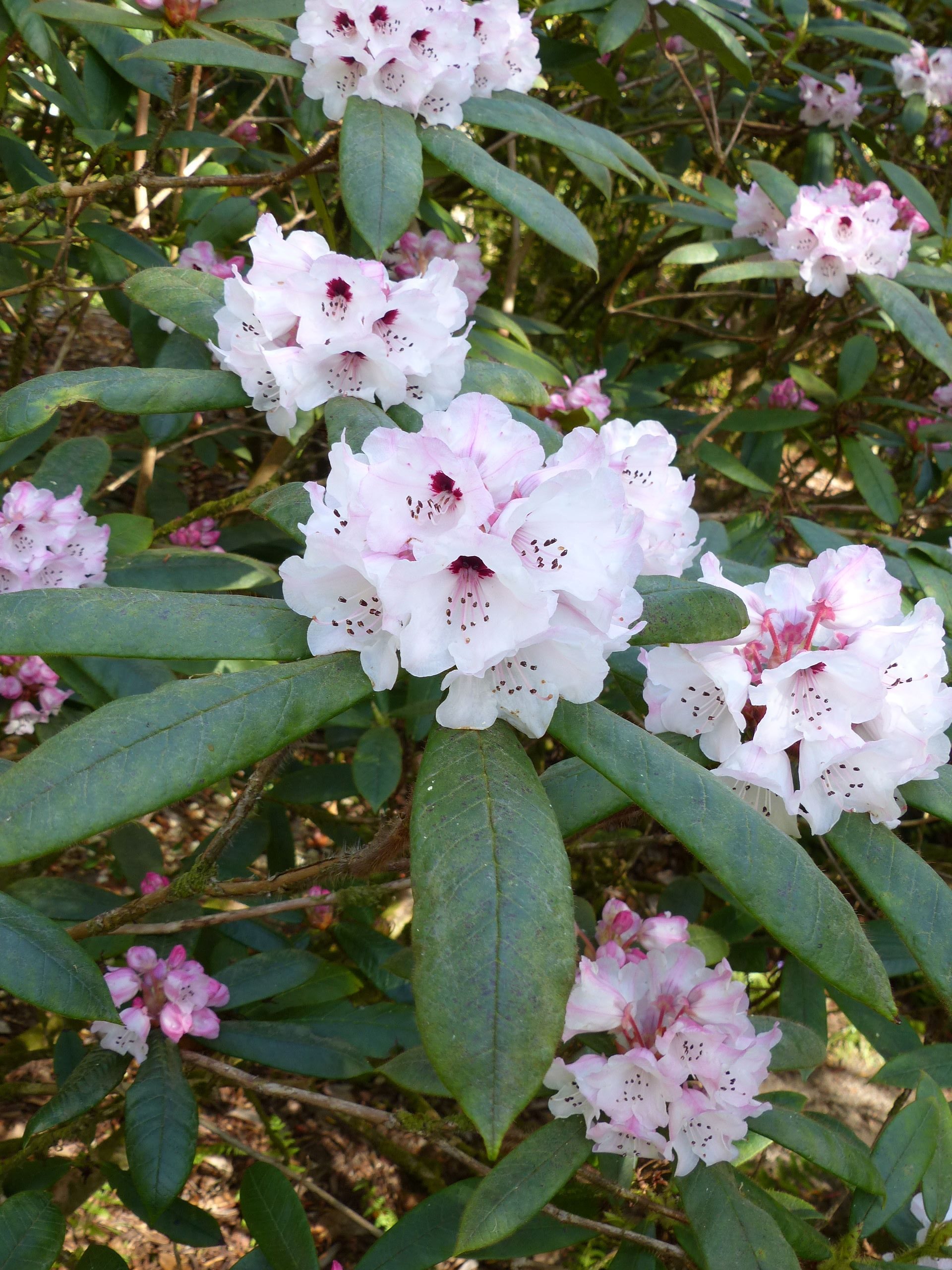
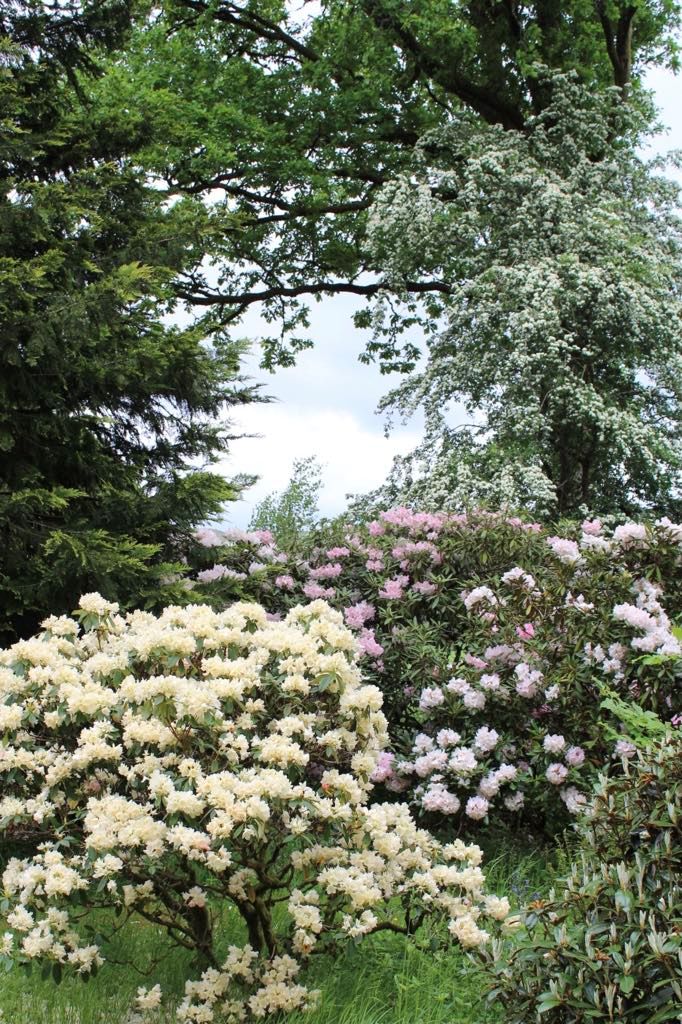
Dawyck
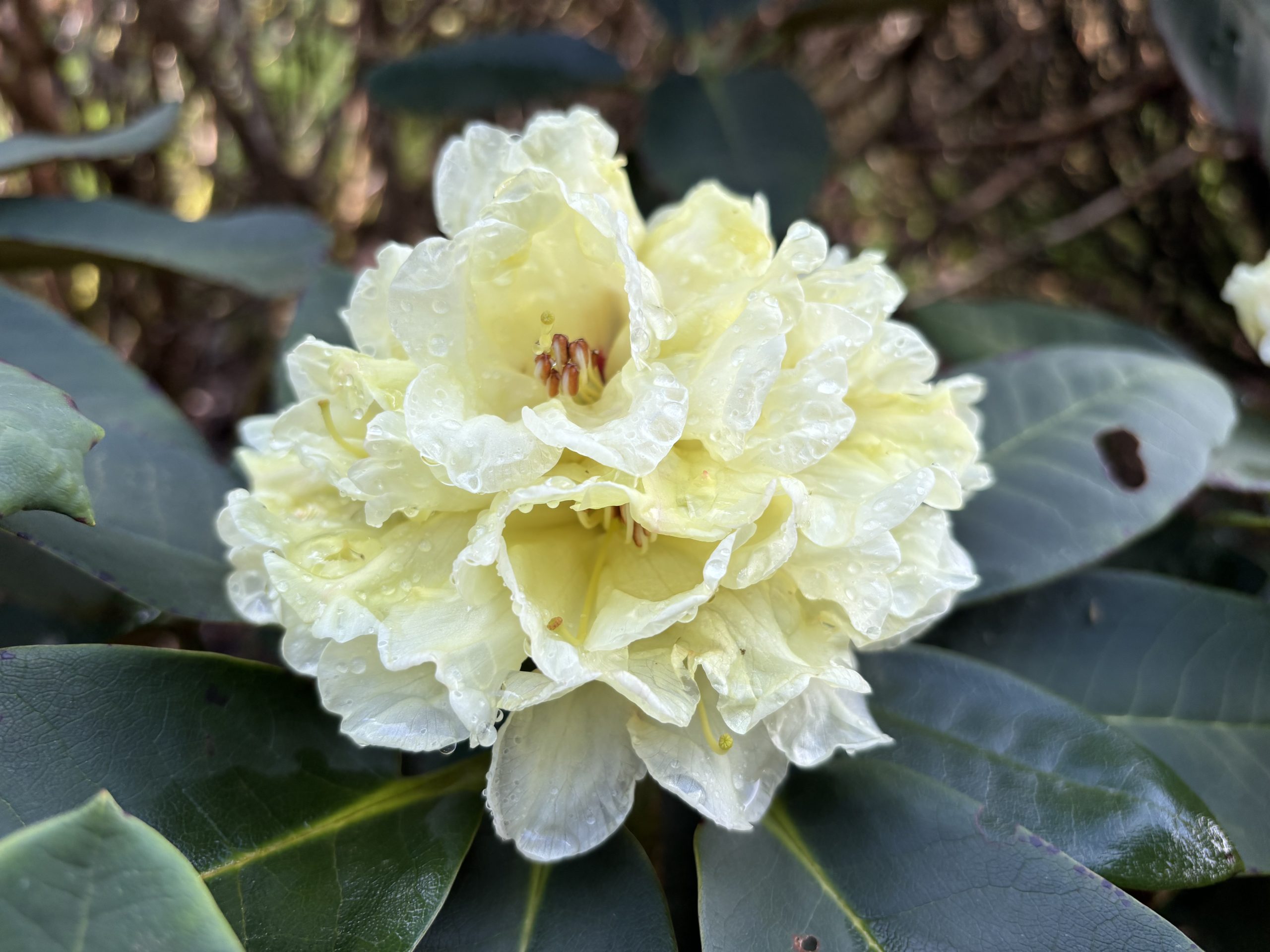
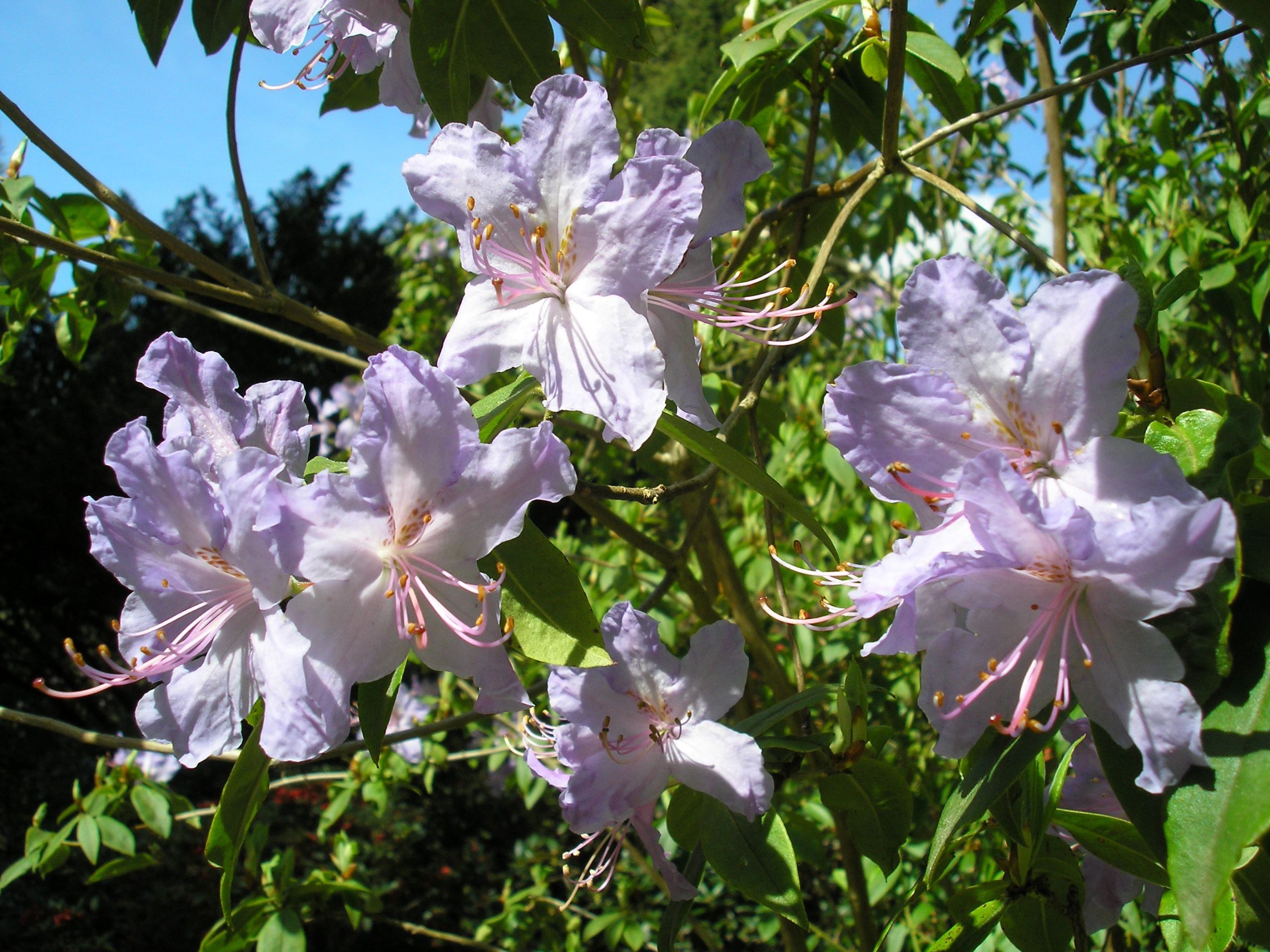
R. lacteum
Dawyck Gardens, an outstation of RBGE. Pictures provided by Dawyck
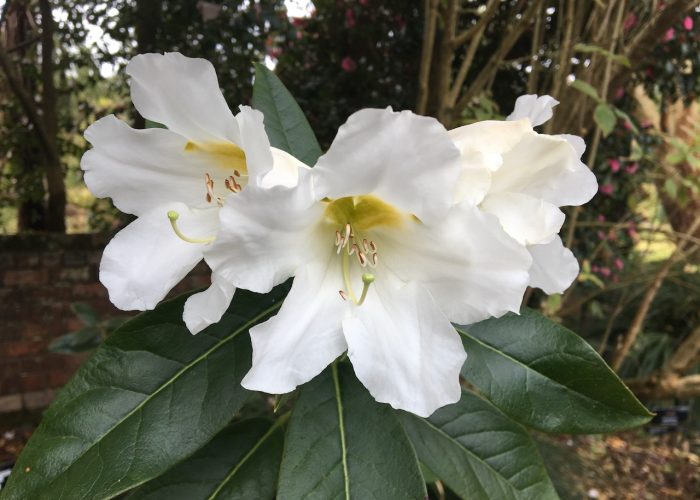
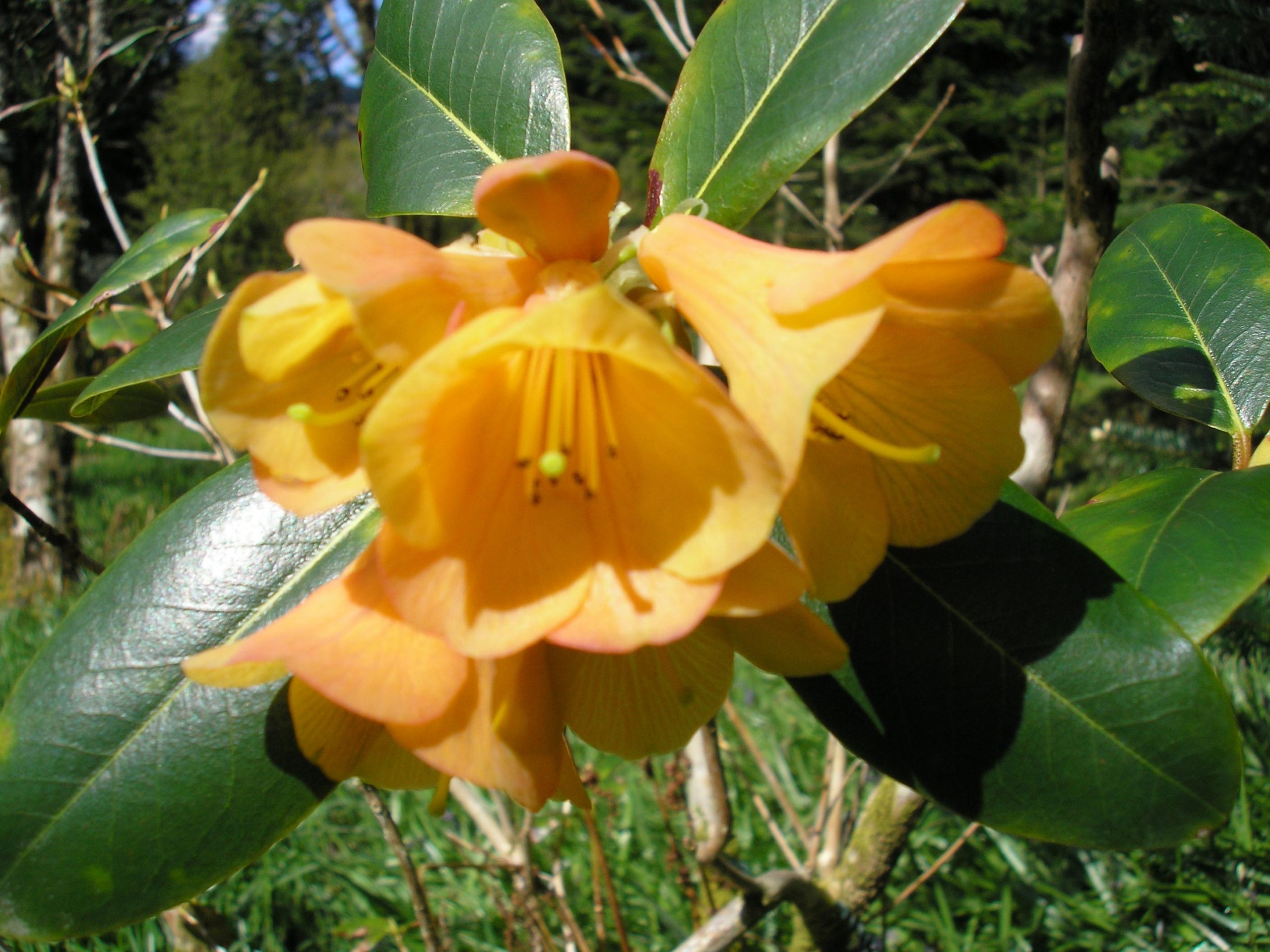
R. praevernum

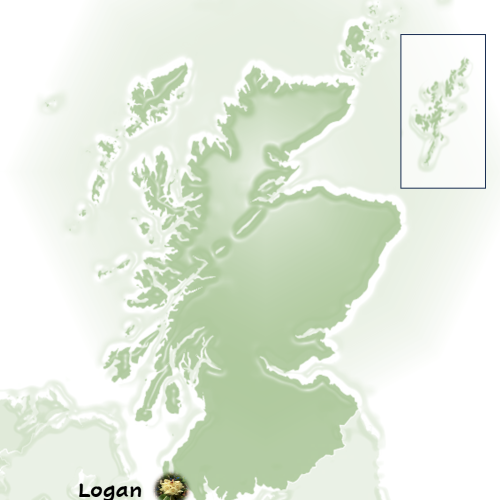
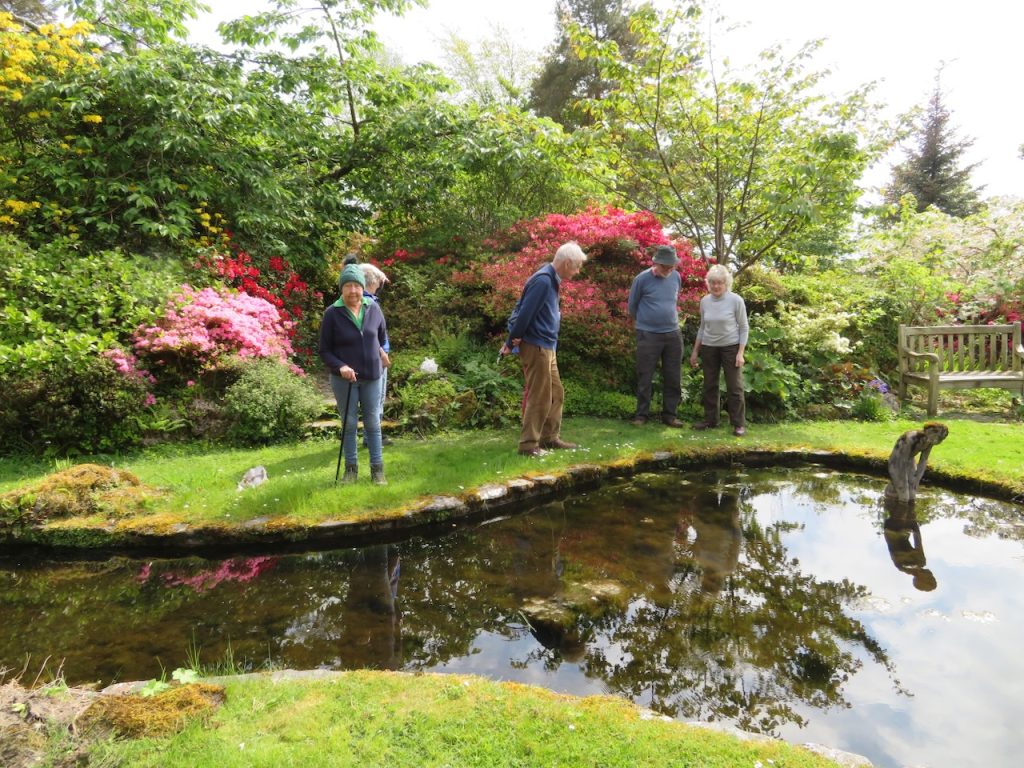
Logan Botanic Gardens

Pictures by J. Roy

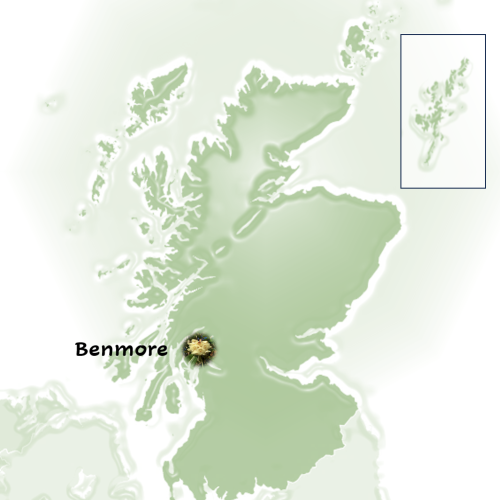
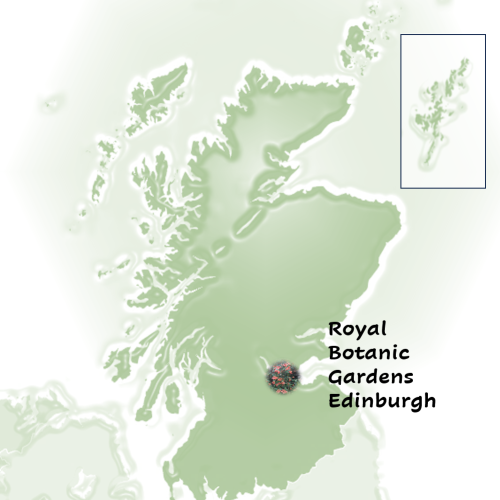
The Royal Botanic Garden Edinburgh is the world leader in the genus Rhododendron, with a library and herbarium and its comprehensively labelled collection, in Edinburgh. There are also extensive, fully labelled collections at the RBGE outstations: Dawyck, near Peebles, where rhododendrons suited to colder districts can be seen, at Logan Botanic Garden, on the Mull of Galloway, whose equitable climate allows the most tender rhododendrons to be grown and, in the west, Benmore near Dunoon, where the high rainfall and steep hillsides mimic conditions in the southeast Himalaya where rhododendrons are found in their natural habitats.

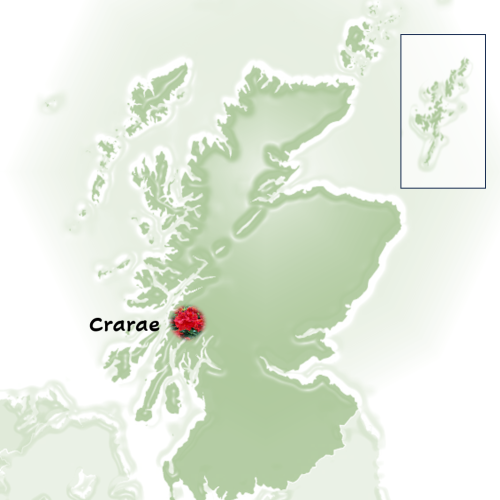
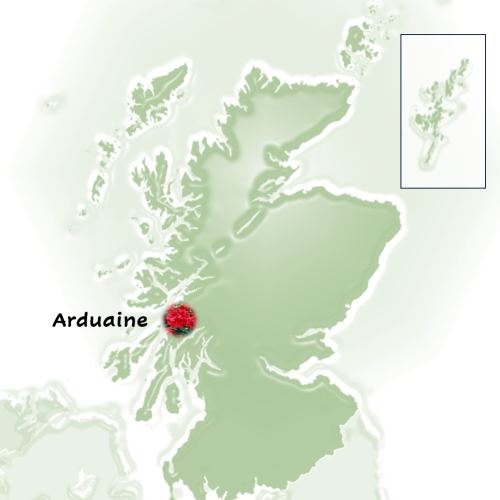
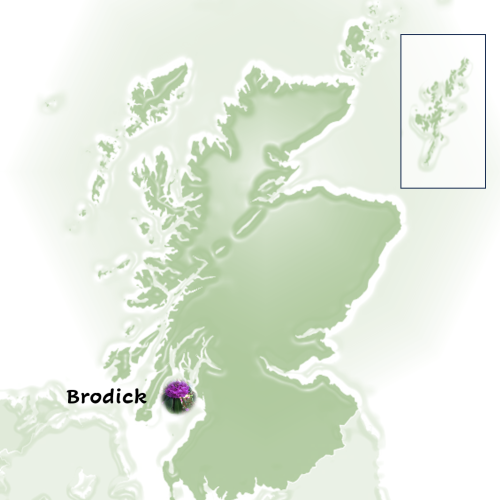
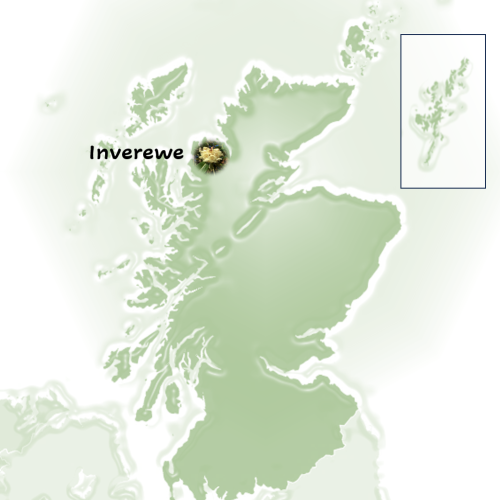
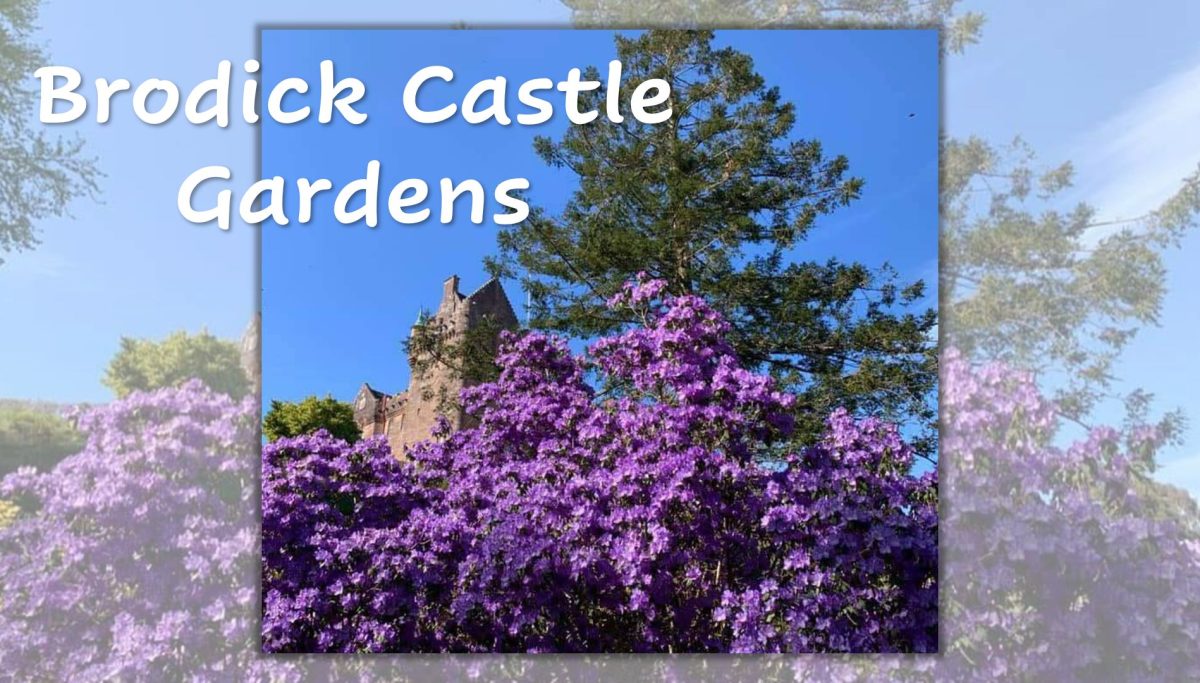
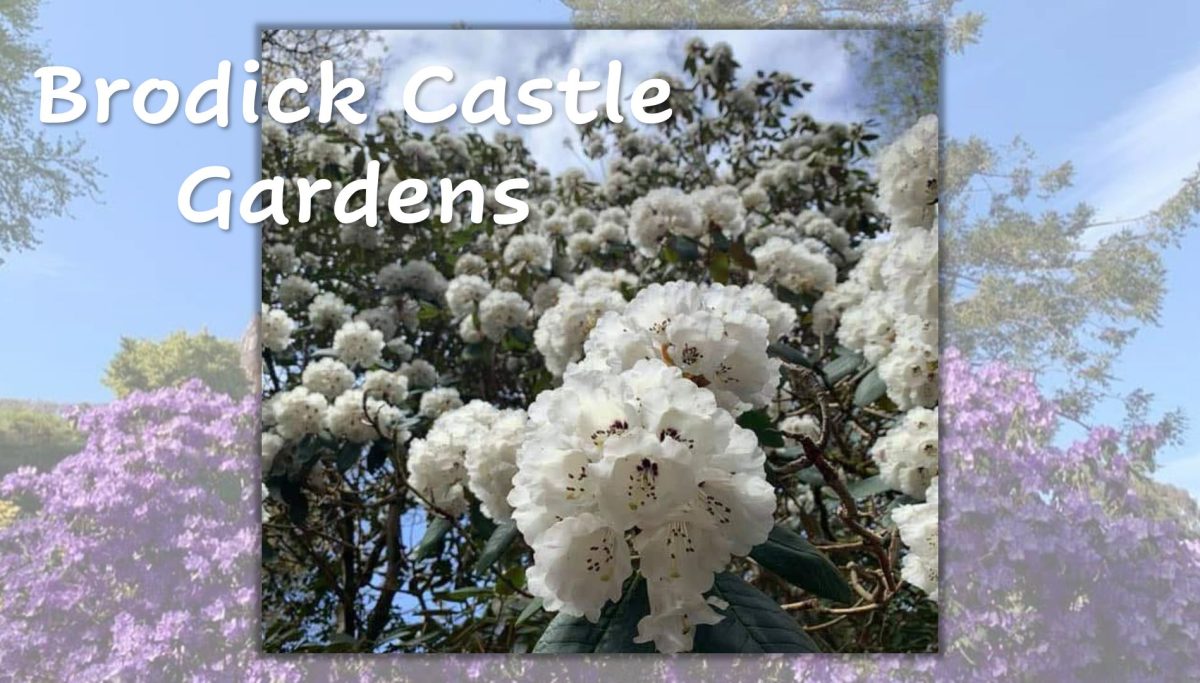
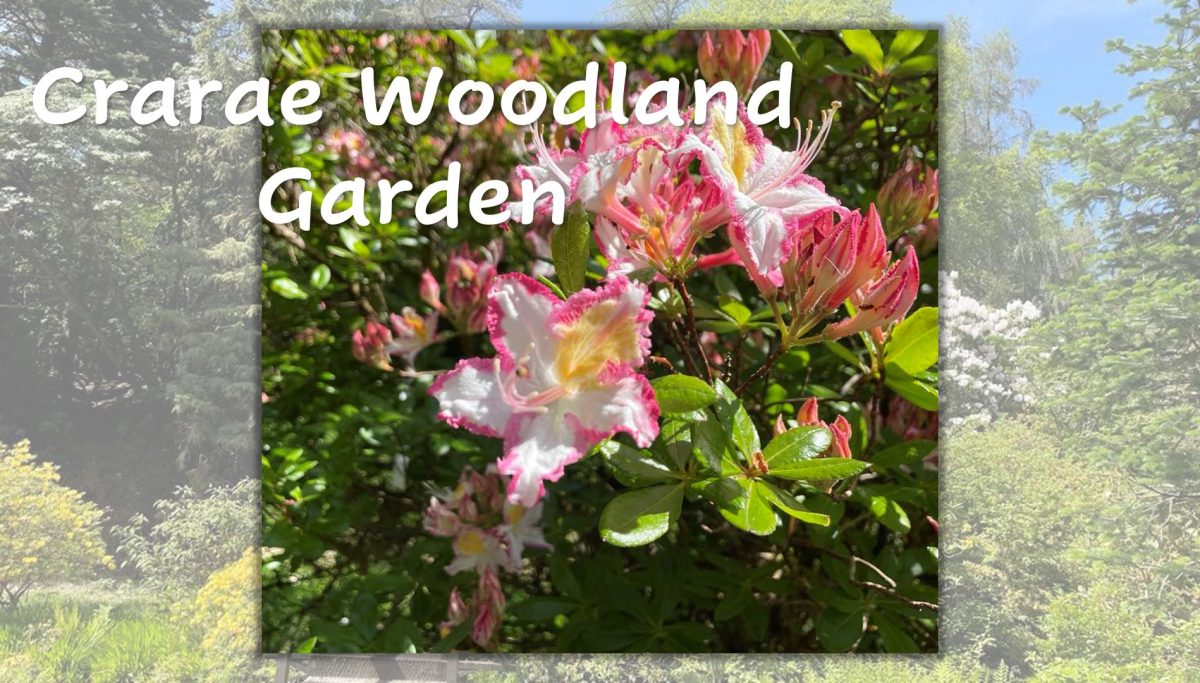
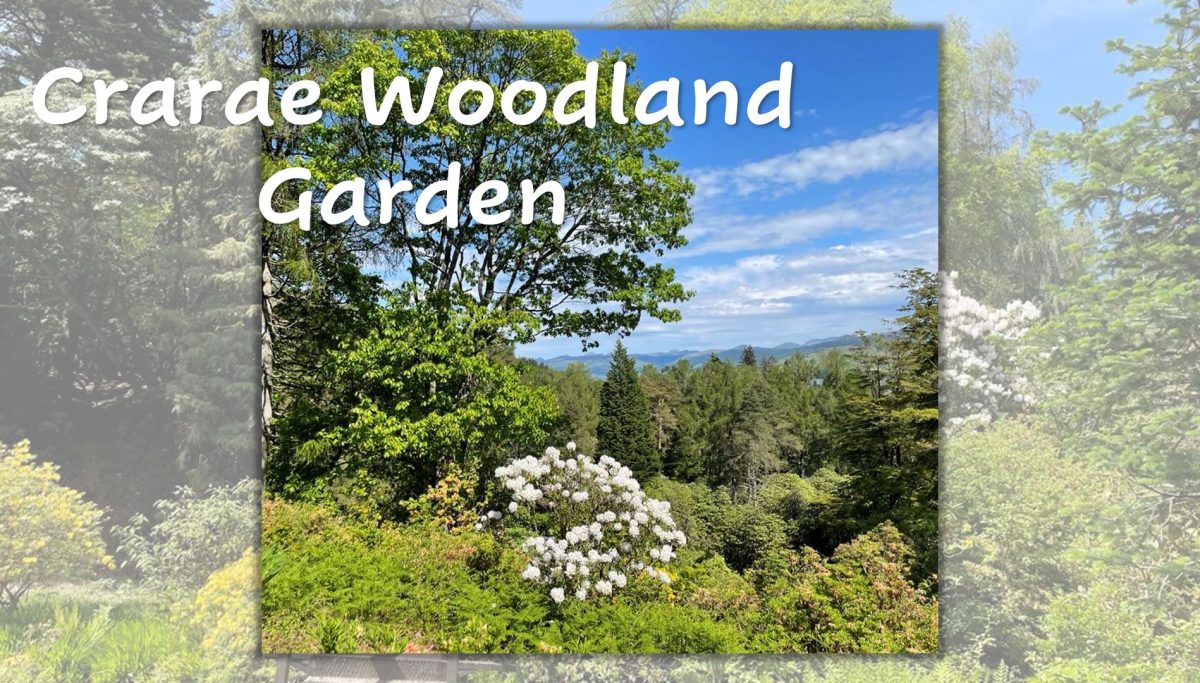
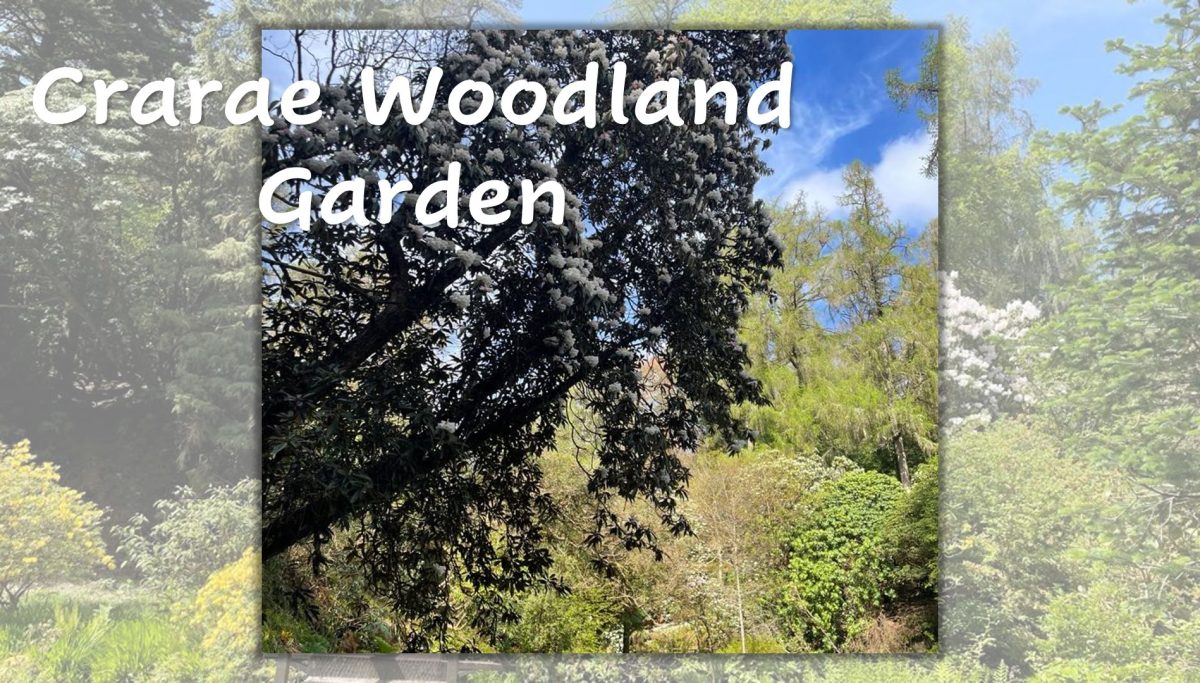
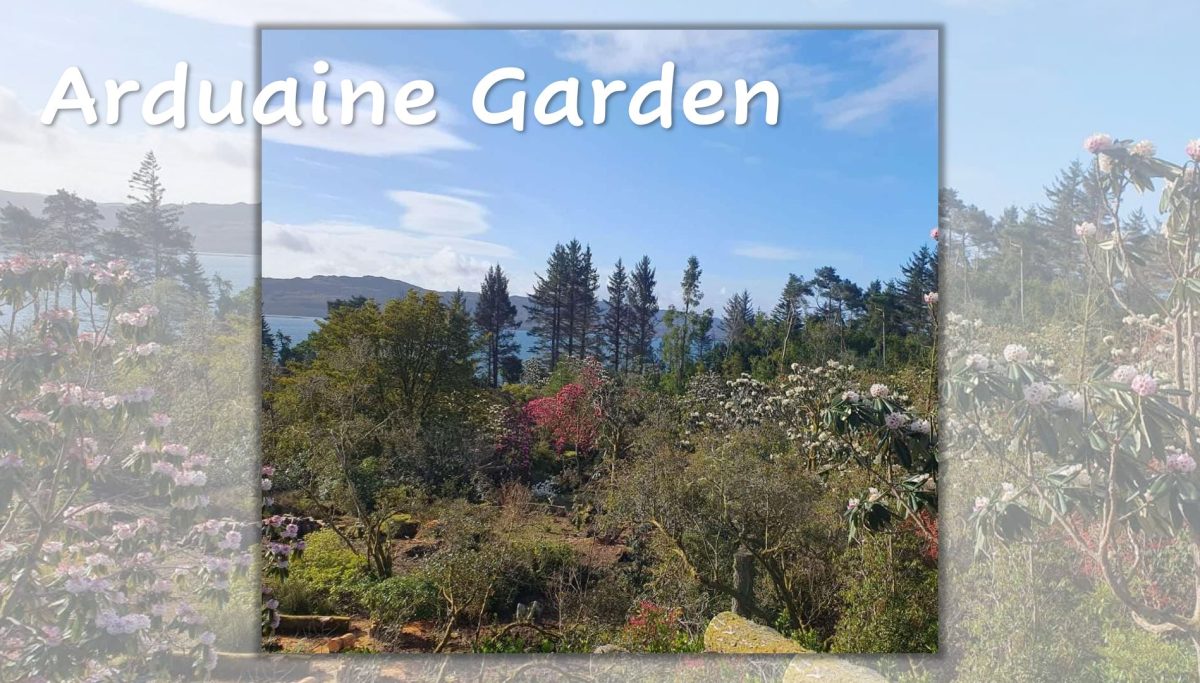
The influx of newly discovered rhododendrons in the first half of the 20th Century led to the creation of many woodland gardens, some of which have passed to the National Trust for Scotland whose notable and partly labelled collections can be visited. These include Crarae, south of Inverary, Arduaine on Loch Melfort, Brodick, across the water on Arran, and in the far north-west the famous Inverewe garden at Poolewe.

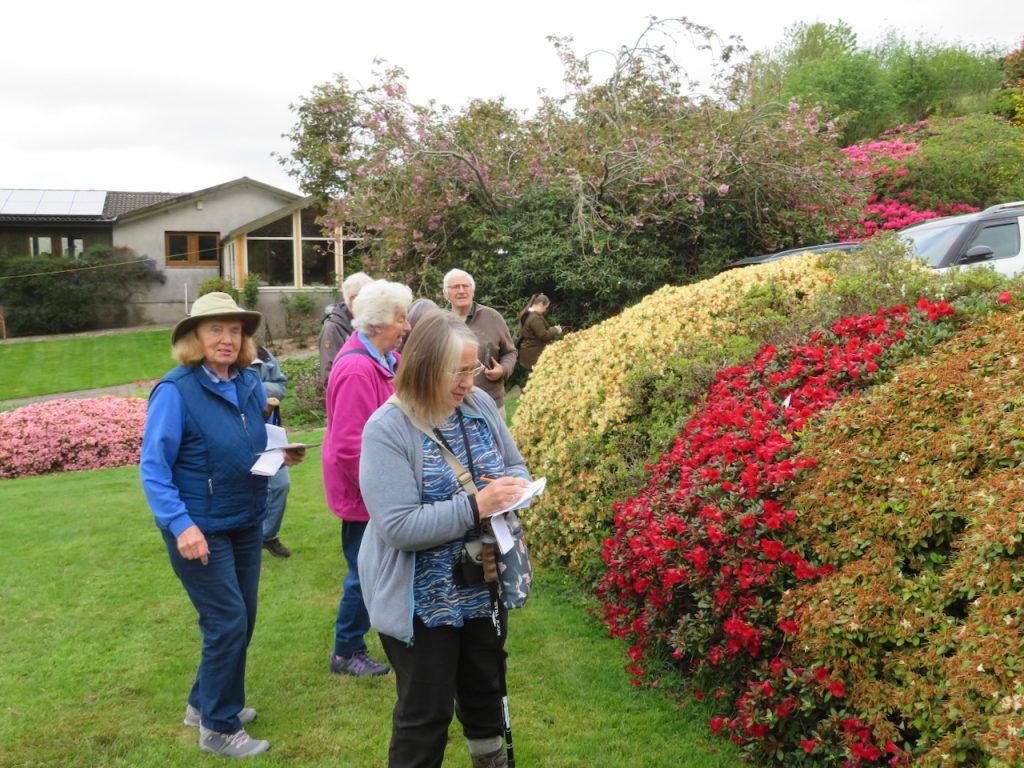
Pictures by T. Keyworth

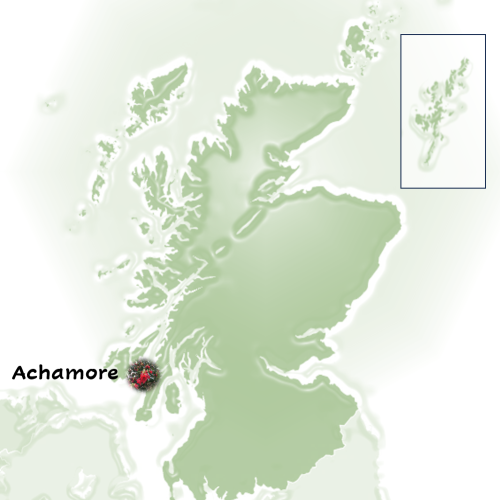
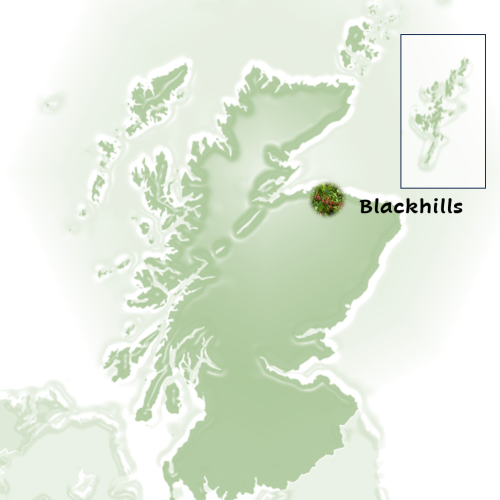
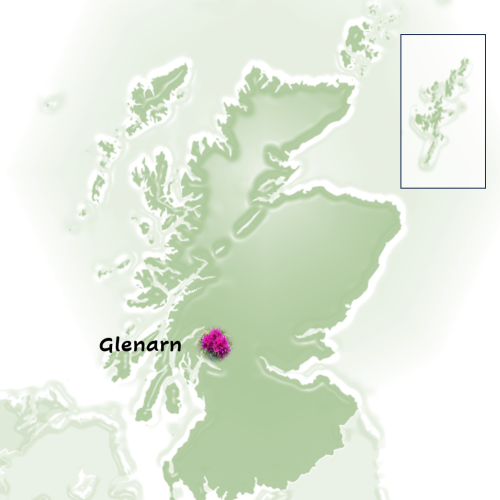
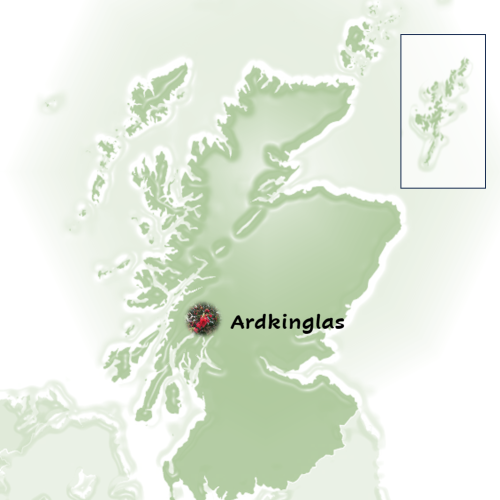
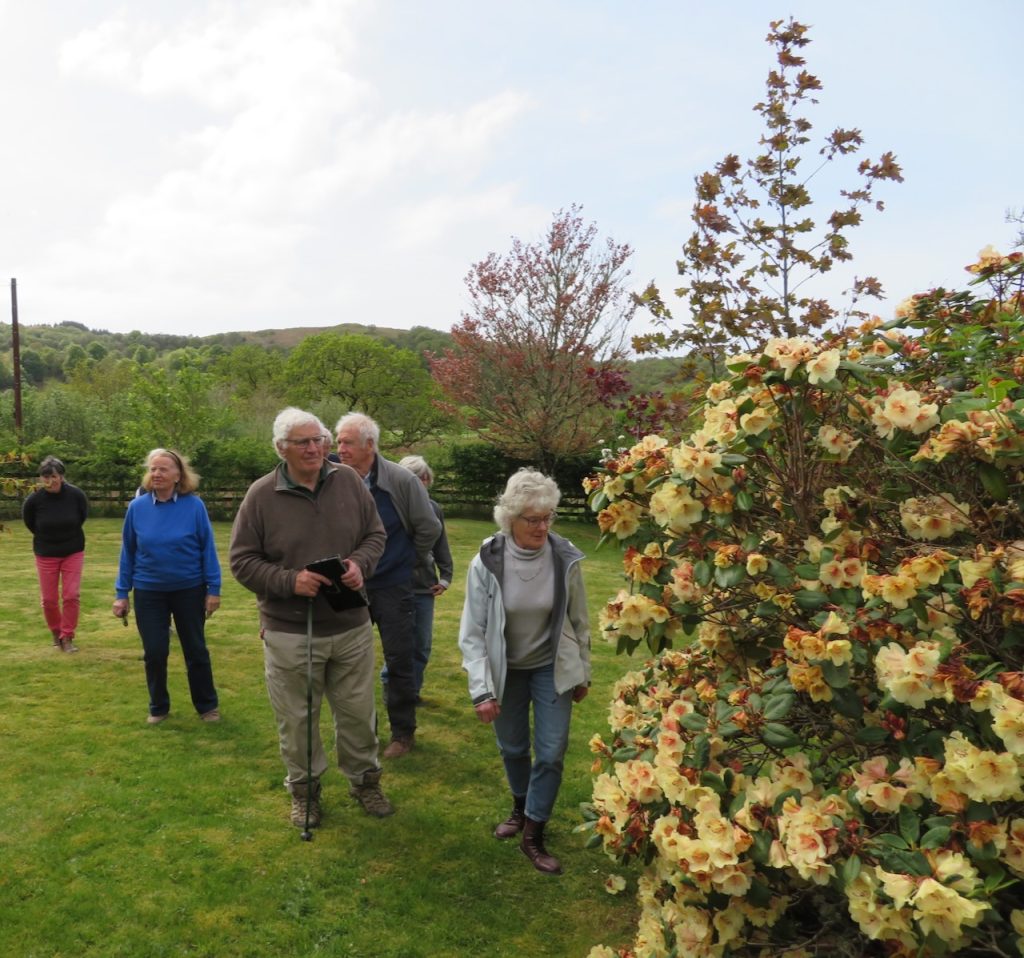
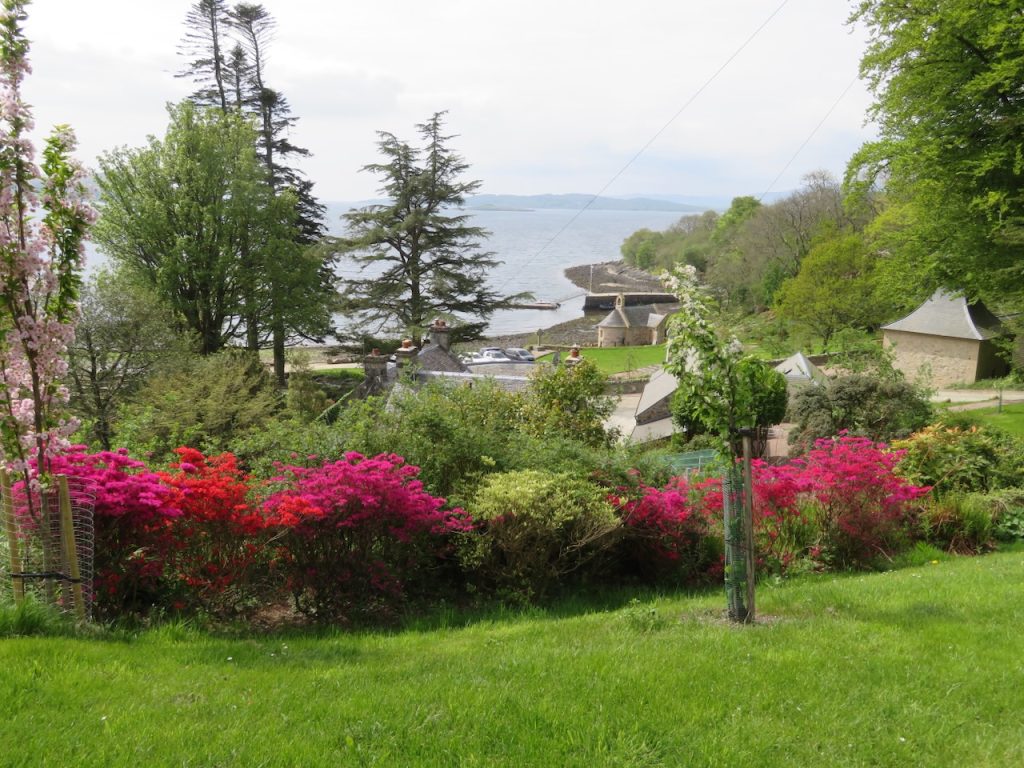
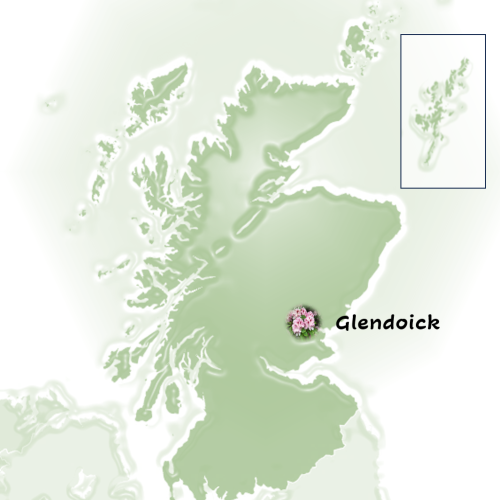
Argyll has been described as the “Promised Land” for rhododendrons and it is worth exploring many of the Glorious Gardens of Argyll and Bute, some of which have been described above, but also include a number of private gardens open to the public including Glenarn, near Helensburgh, with its well documented and labelled collection, and Ardkinglas at the head of Loch Fyne, which also boasts some of the tallest trees in the land. Another island for the more adventurous is Gigha and its garden Achamore. Nor should the east side of the country be ignored, with destinations such the Blackhills, near Elgin, an example of lightly managed rhododendrons. Between Perth and Dundee, Glendoick has a magnificent garden that defies the cold and low rainfall and is the home of the premier rhododendron nursery in Scotland.
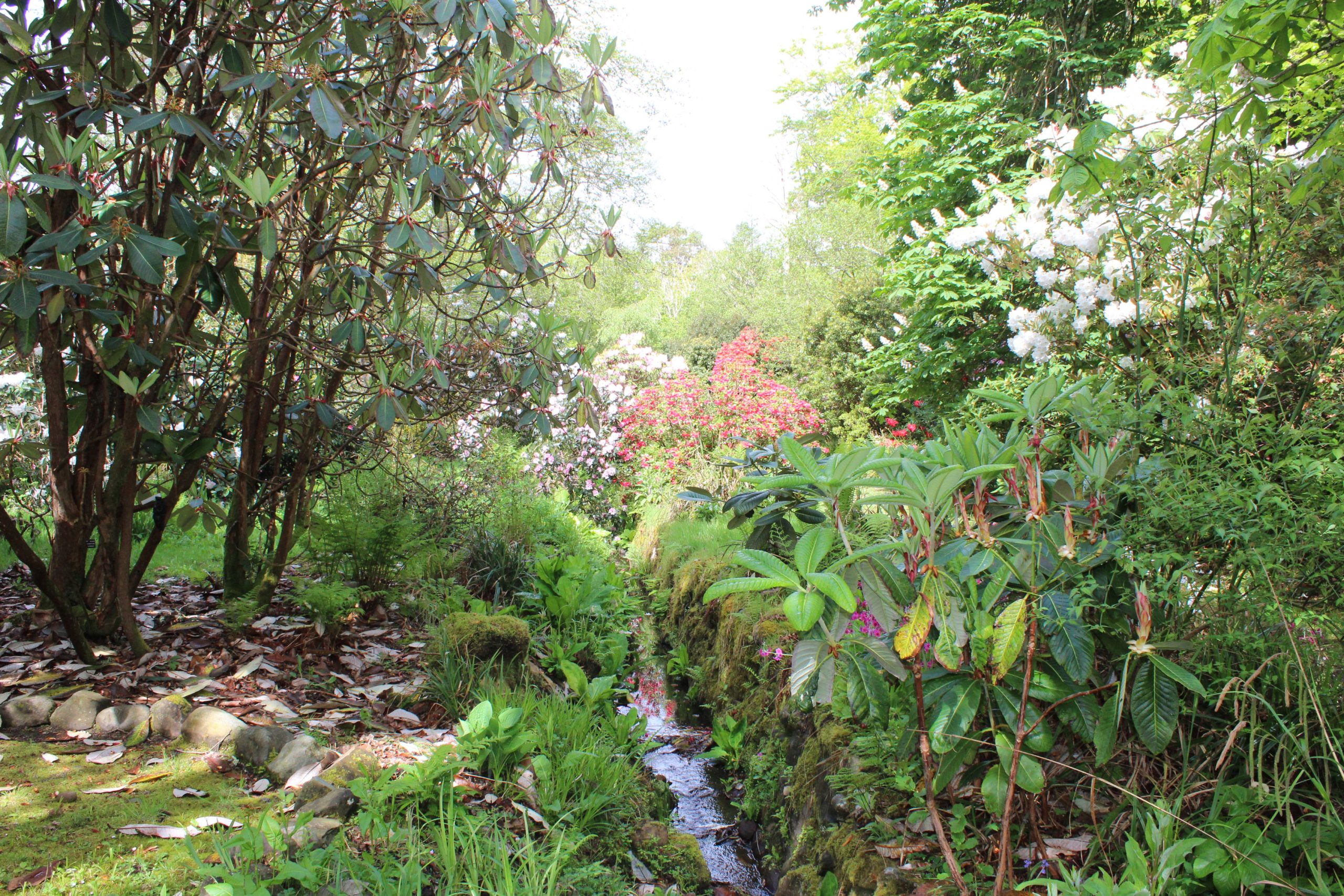
Achamore on the isle of Gigha

Ardkinglas

Woodland gardens at Ardkinglas
R. cinnabarinum hybrid
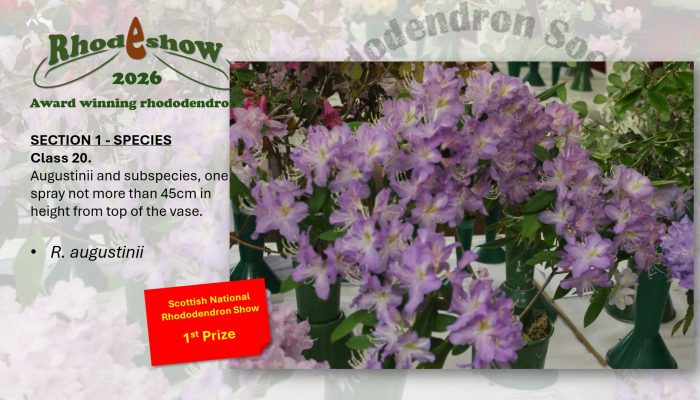
R. augustinii

Pictures provided by Ardkinglas

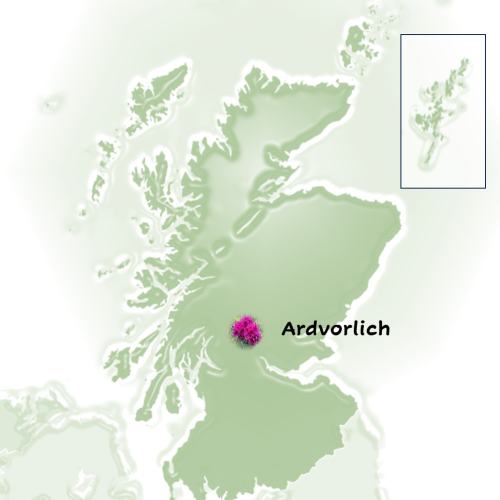
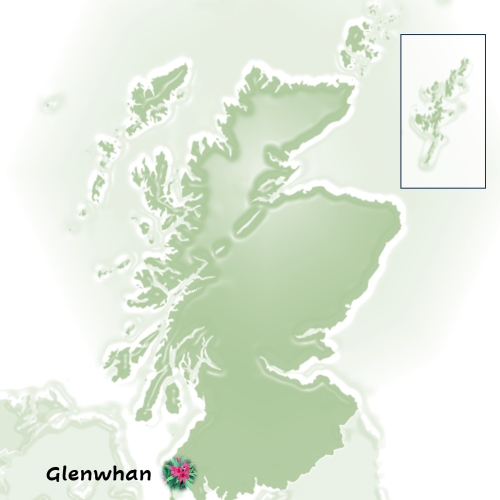
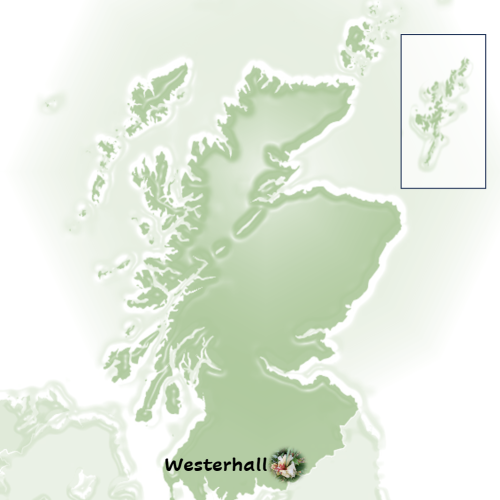
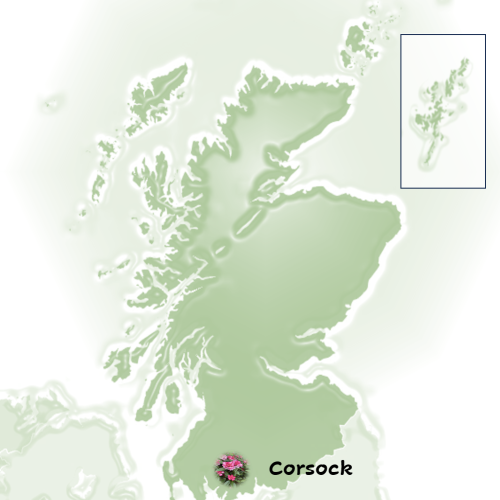
Careful study of the Scotland’s Gardens Scheme Yellow Book will also throw up excellent rhododendron gardens, sometimes only open for a day for the charity, others for a longer period, including Corsock House, near Castle Douglas, with its famous Rhododendron lacteum, and Westerhall, a relatively new collection near Langholm. The beautiful Glenwhan Gardens, created over the last 40 years and open every day of the year, is close to Stranraer while further north at Ardvorlich, on Loch Earn, rhododendrons are planted informally, in woodland on the edge of a tumbling burn.

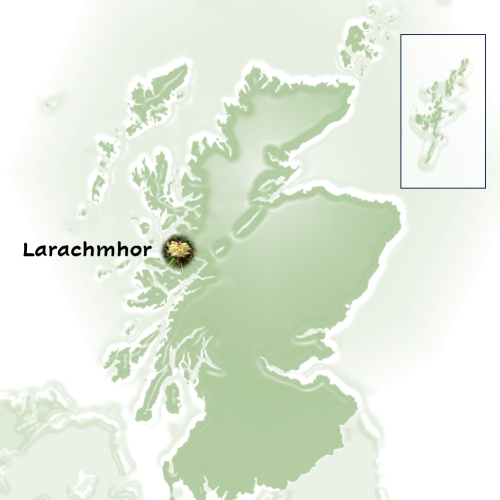
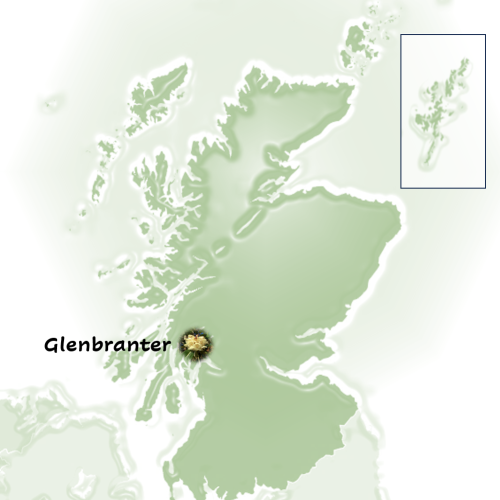
Finally, there are rhododendrons that are found not in garden settings but in the wider landscape. For instance, there is old and new planting at Glenbranter, between Benmore and Strachur, and the remote collection to be discovered at Corrour on the side of Loch Ossian, accessed at Corrour Halt from the train. The West Highland Line also can take enthusiasts to Arisaig where rhododendrons, planted in the 1920s and ’30s at Larachmhor, still grace the site along with some newer planting.

Glenarn
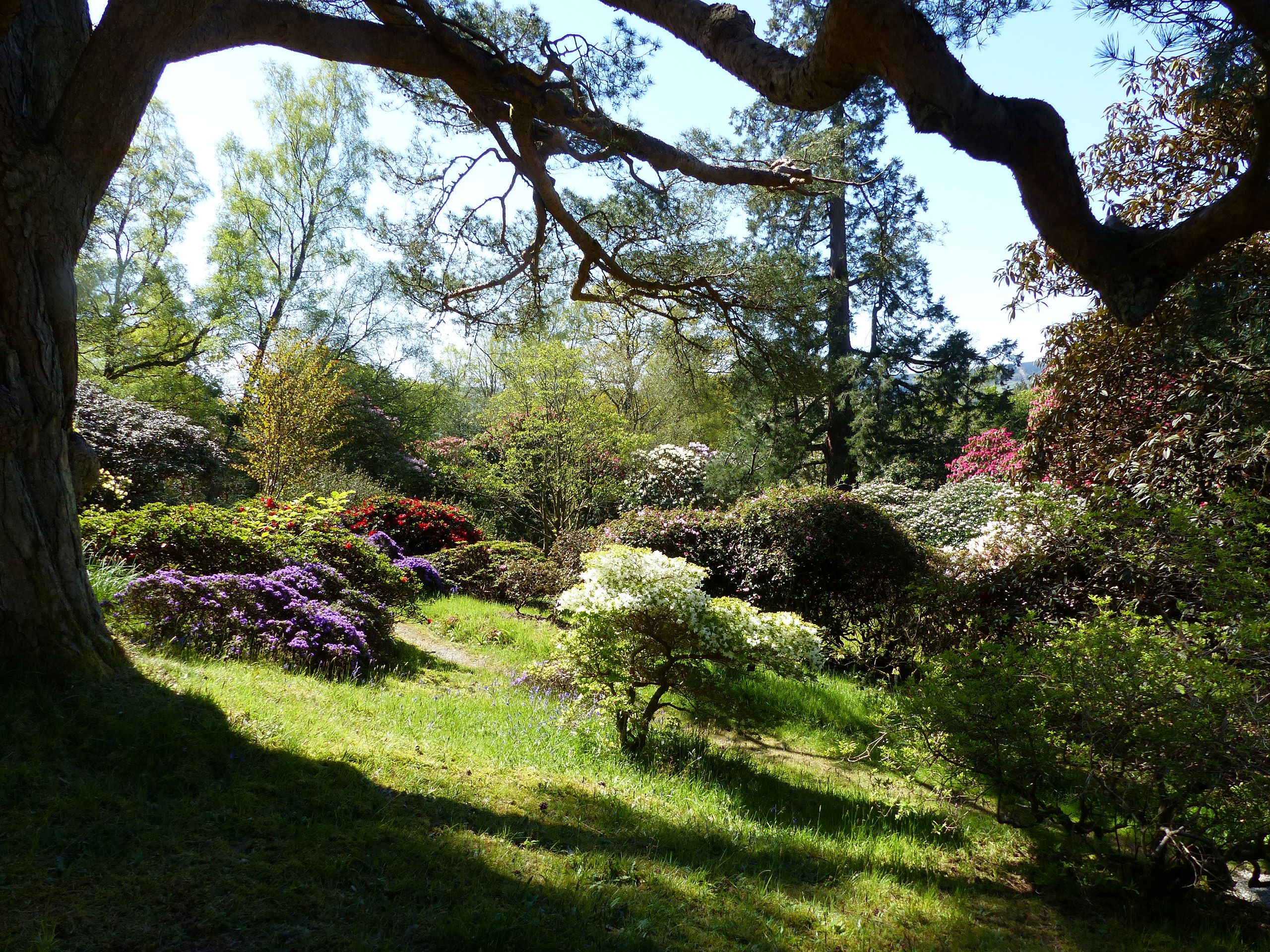
View of Glenarn

Pictures provided by M. Thornley
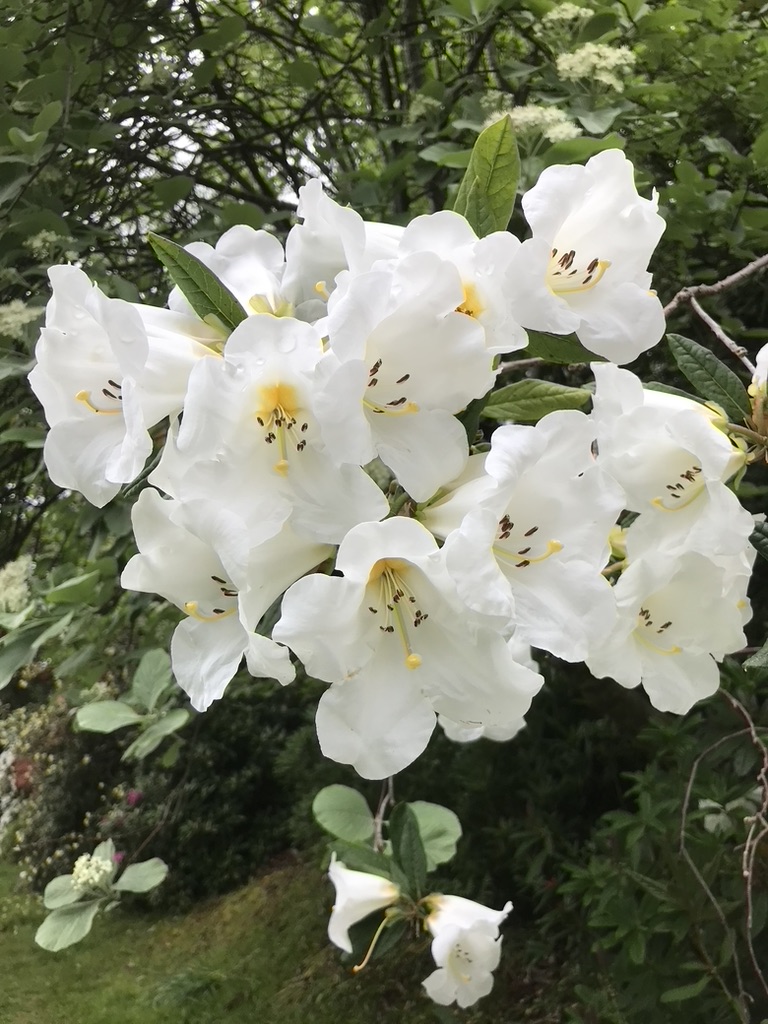
R. lindleyi
R. glishrum ssp rude

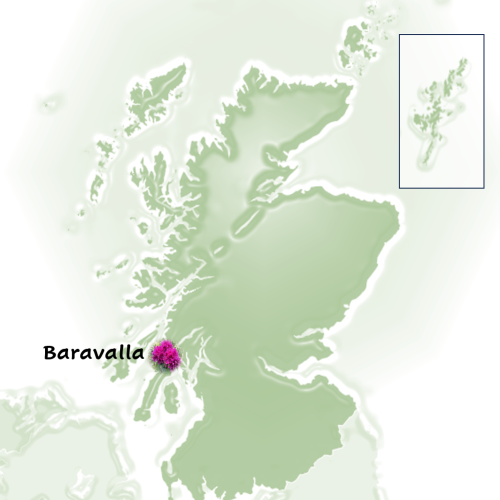
The most recent example of rhododendrons in a natural setting is at Baravalla, on West Loch Tarbert, which contains the important modern collection from Peter Cox and Sir Peter Hutchison’s plant hunting expeditions, well described in their book “Seeds of Adventure”

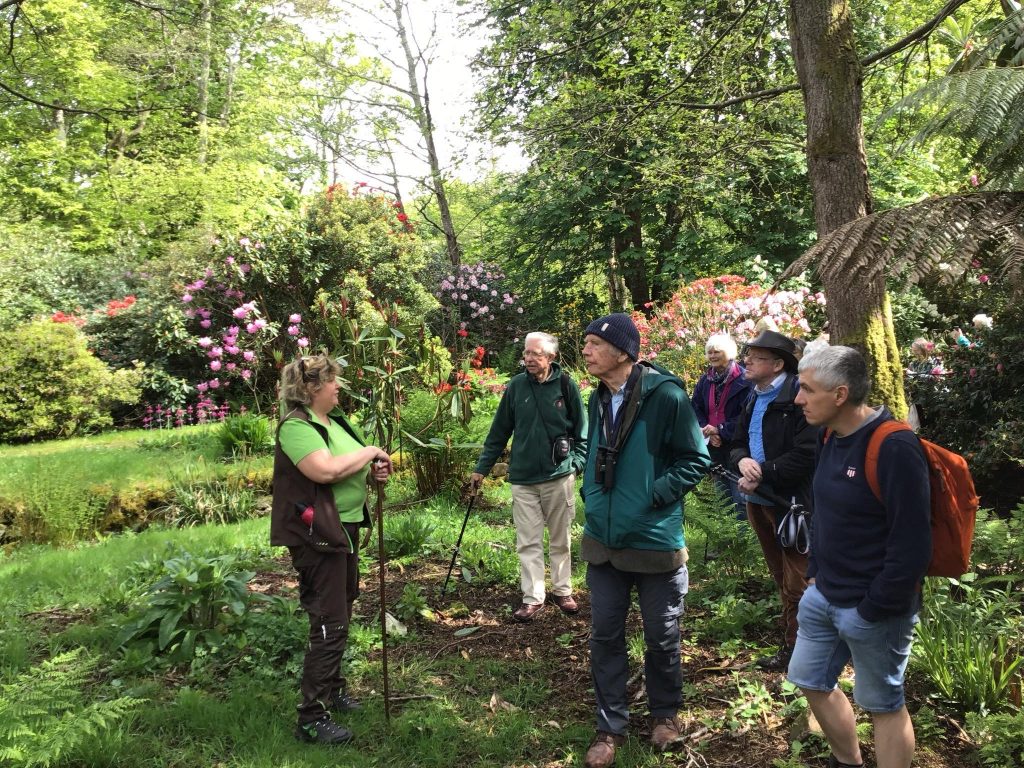
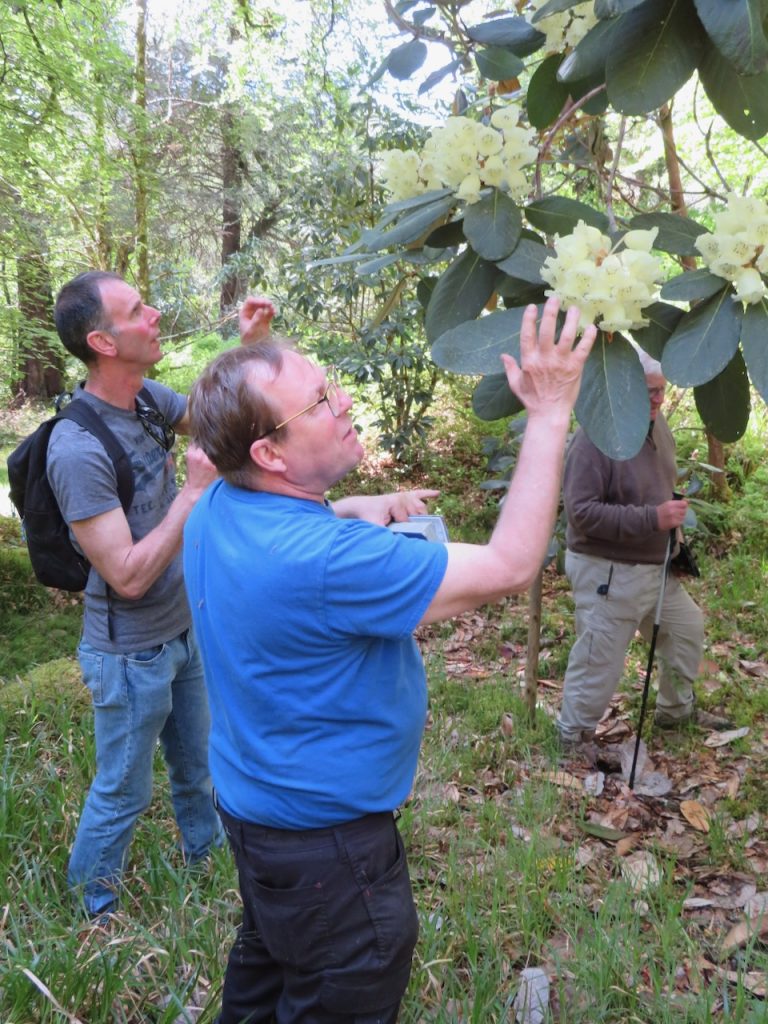
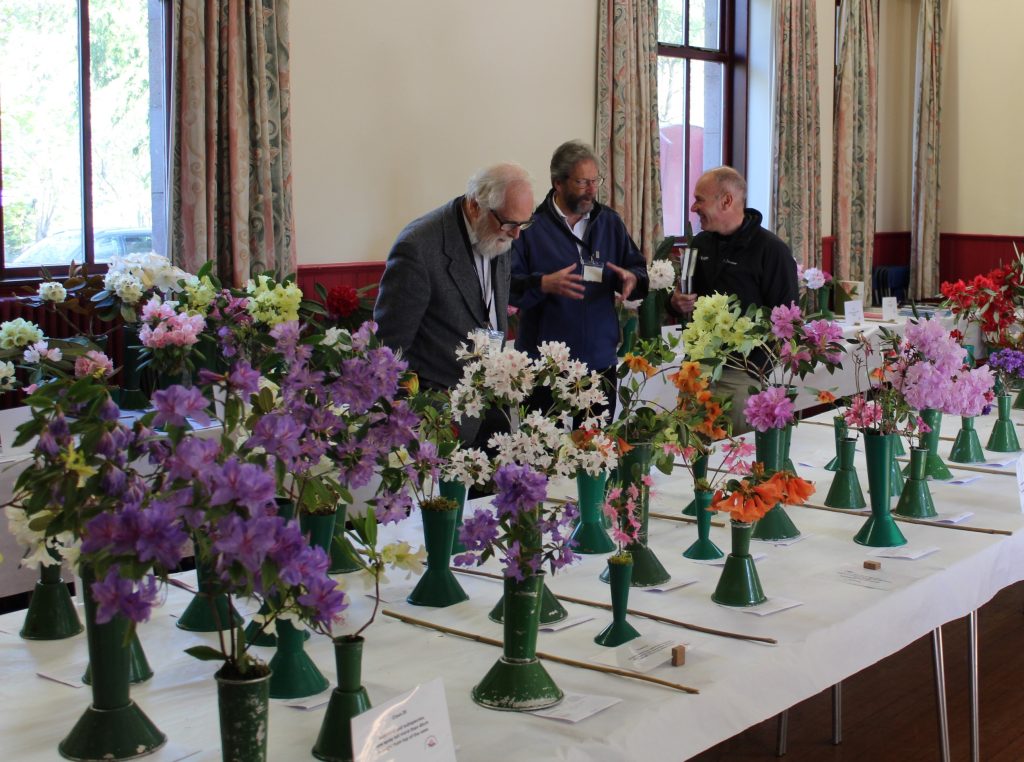
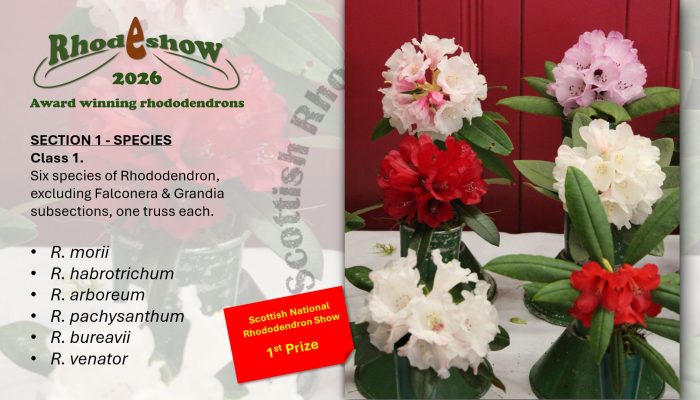
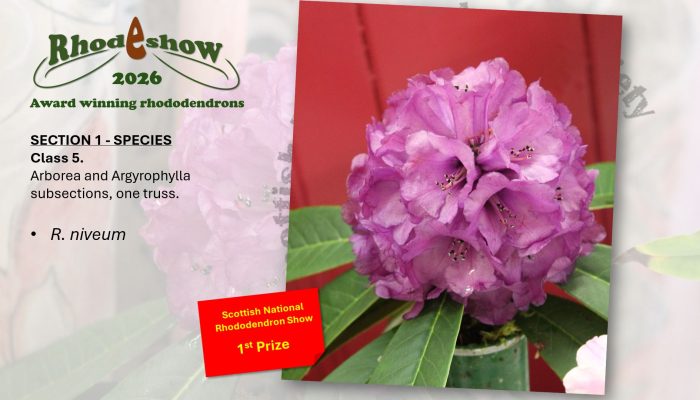
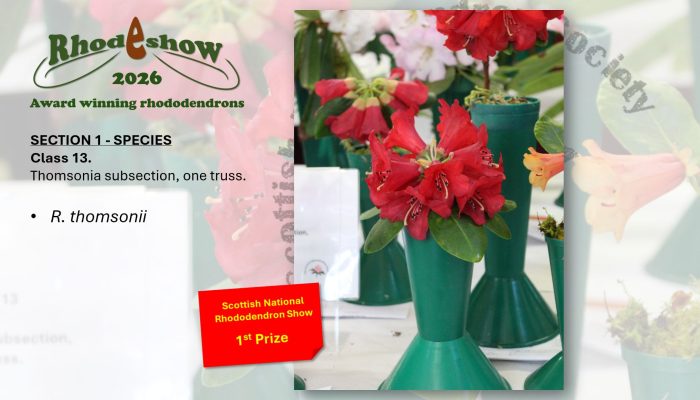
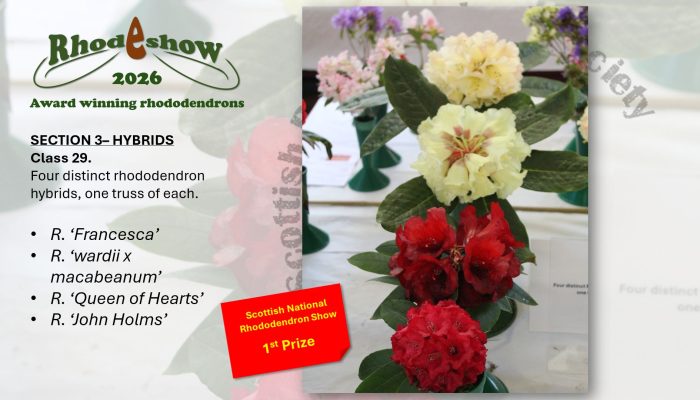
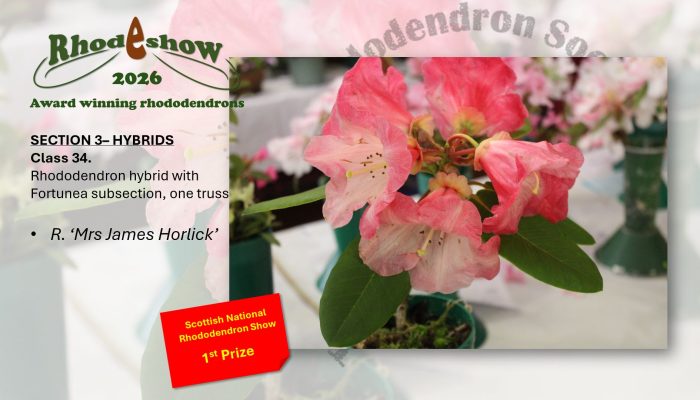
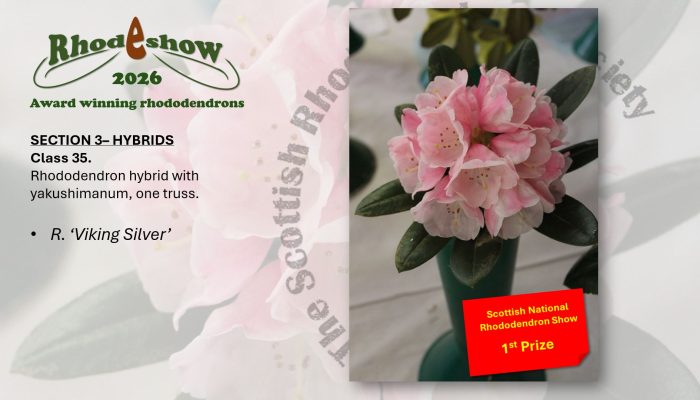
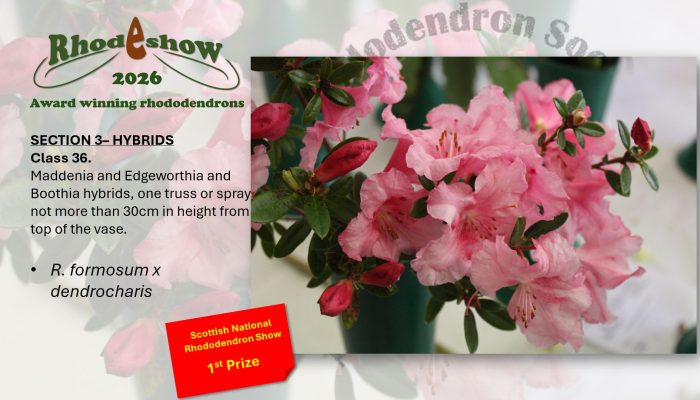
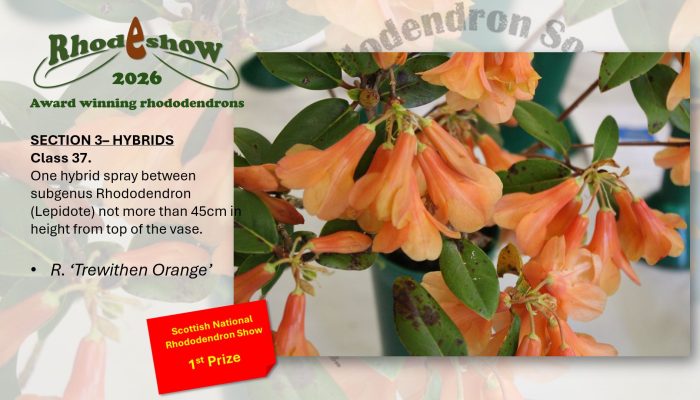
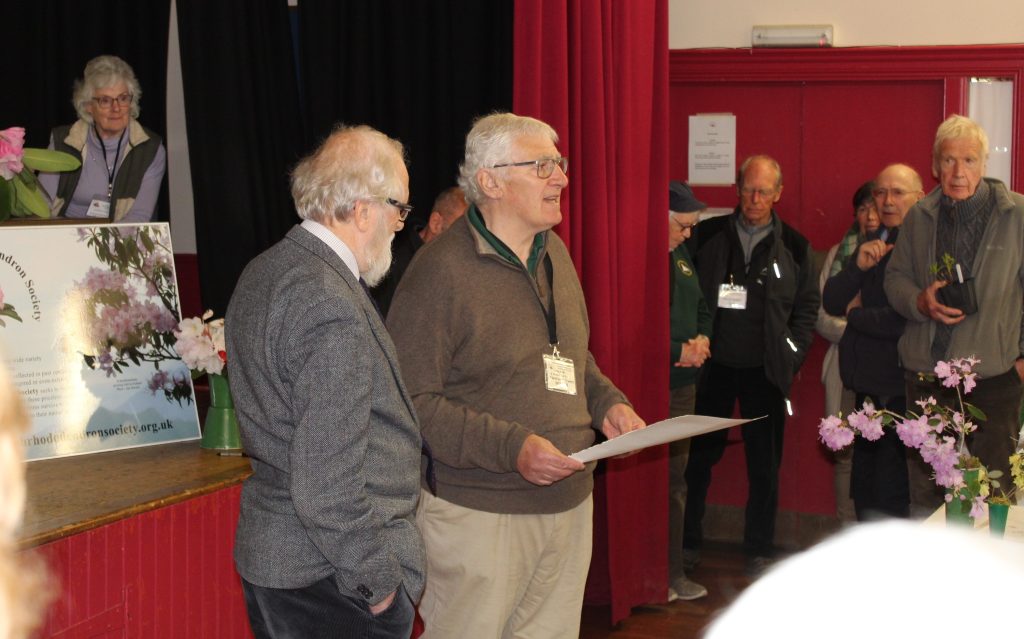
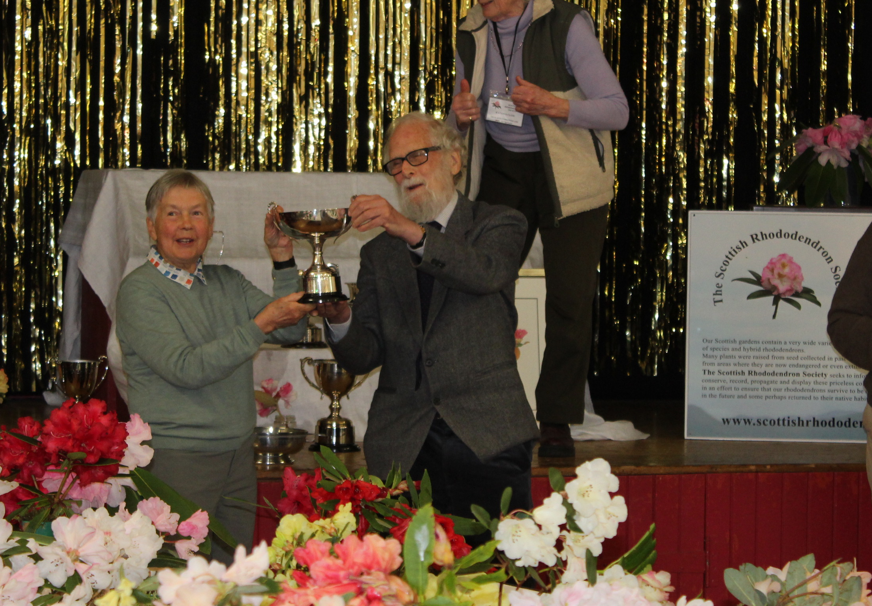
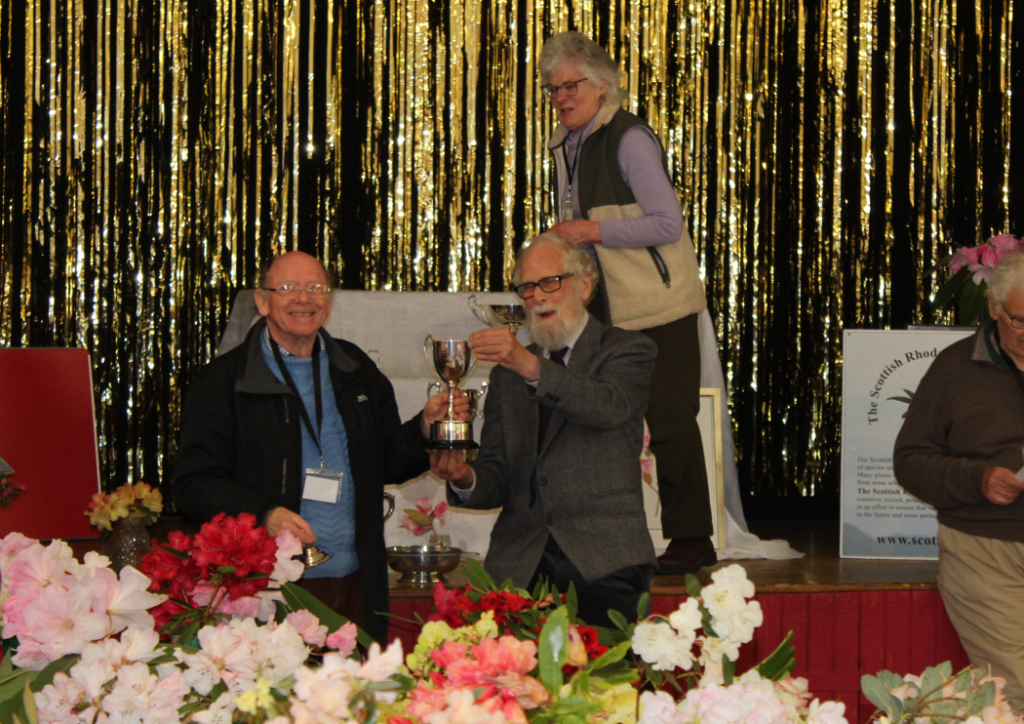
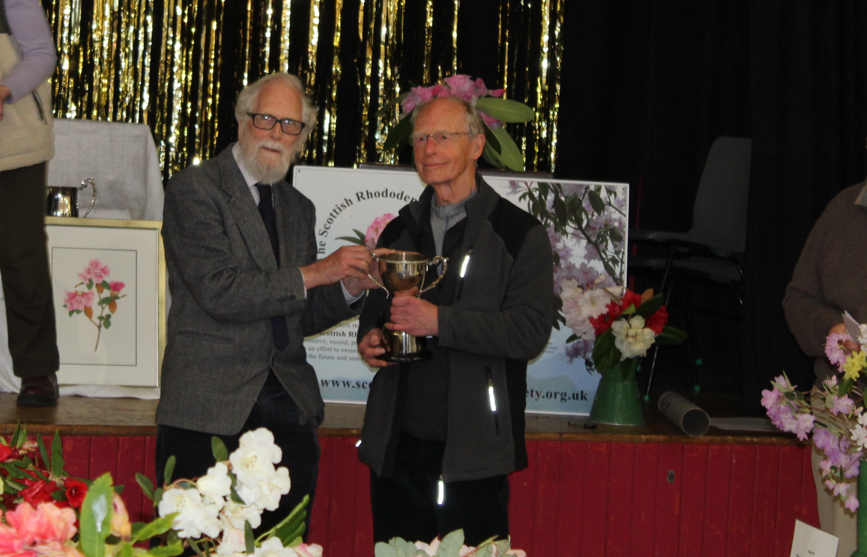
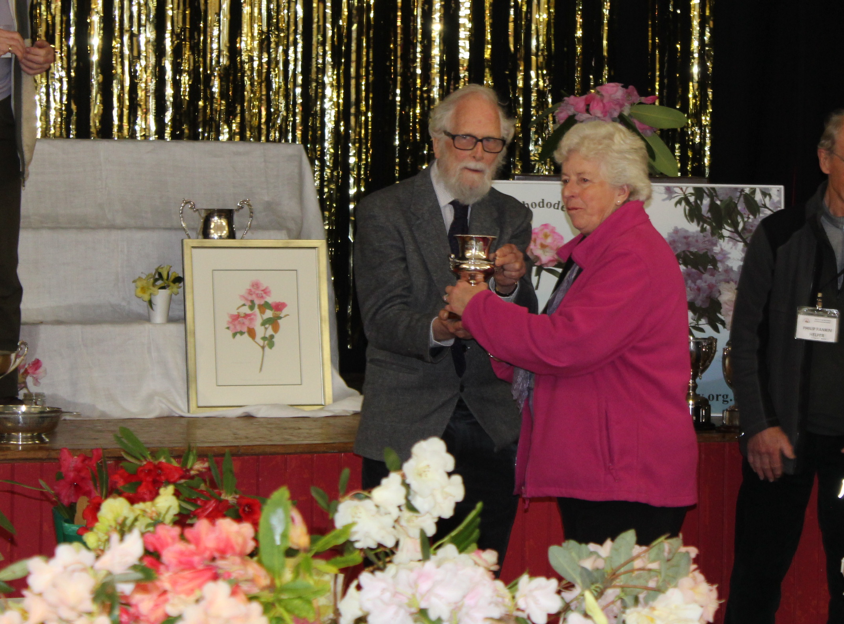
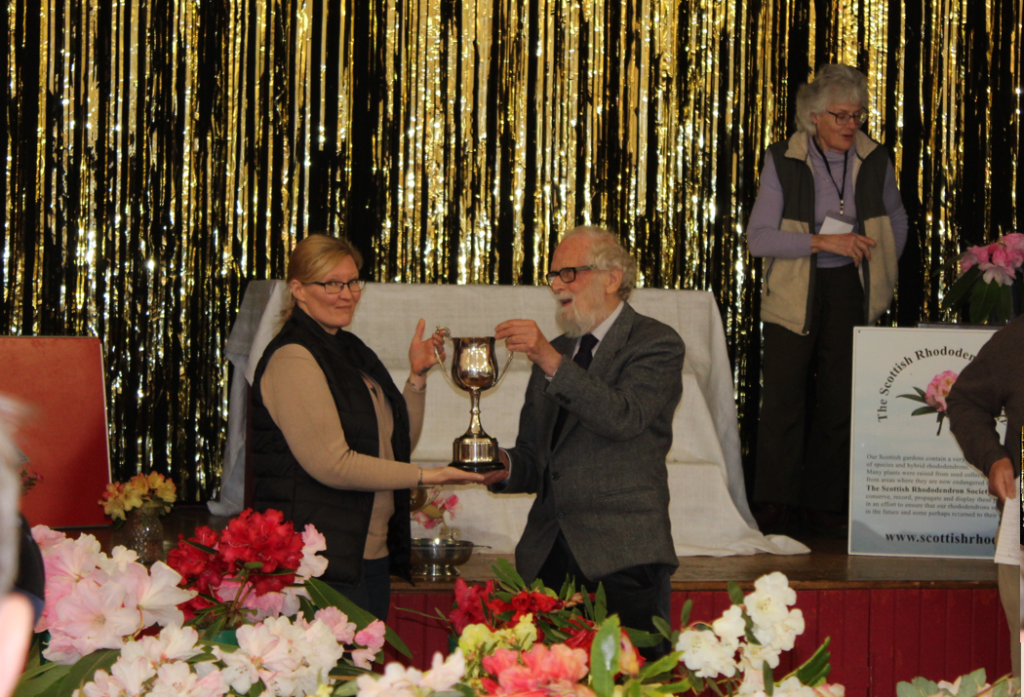
The Scottish Rhododendron Society organises visits and tours to many interesting gardens and plantings, some of which are private collections that are not easily accessible. It also holds the annual Scottish Rhododendron Show in late April or beginning of May where the named entries fill the hall with colour and when rhododendrons, species and hybrids, can be studied and enjoyed in detail.
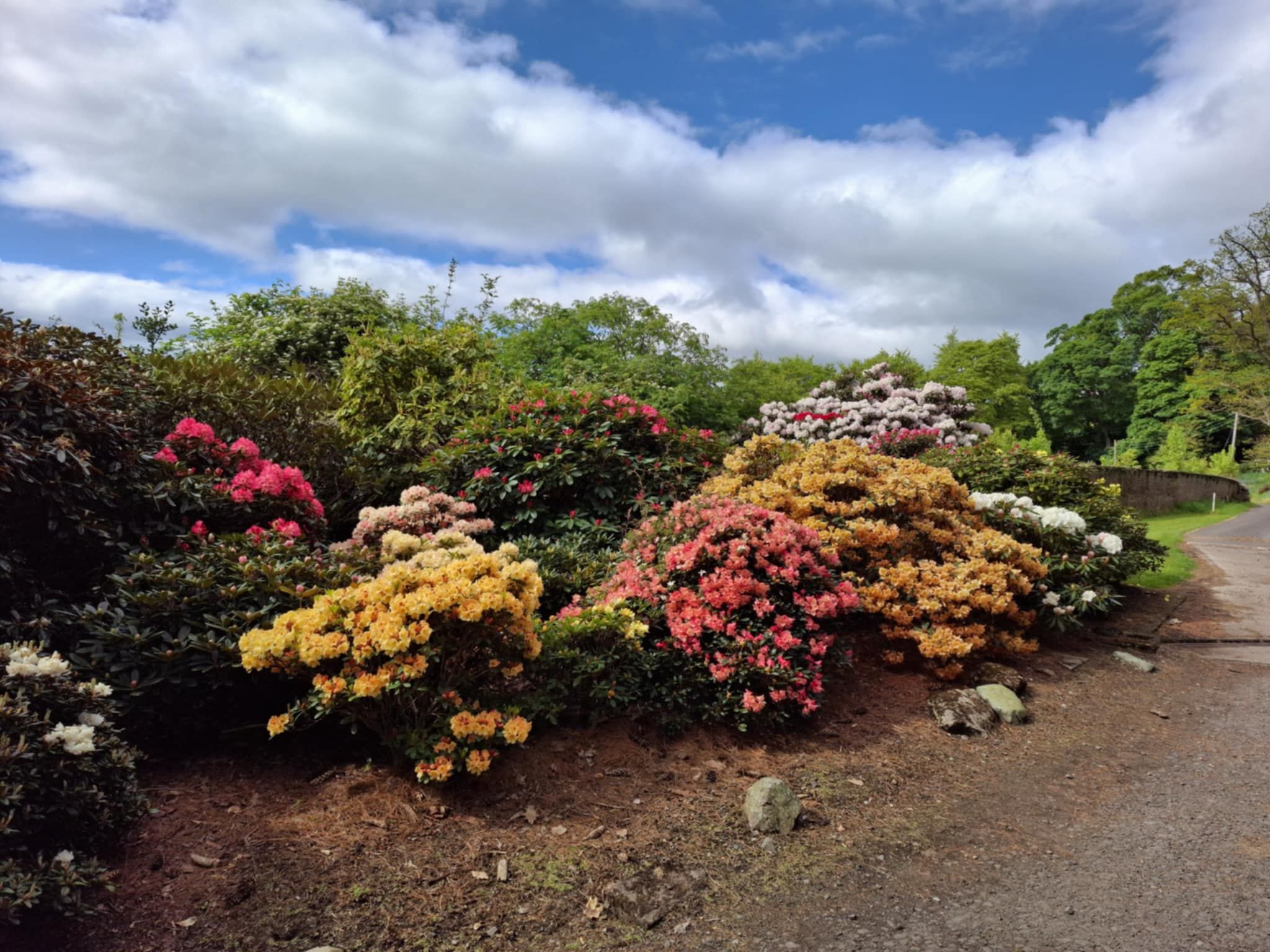
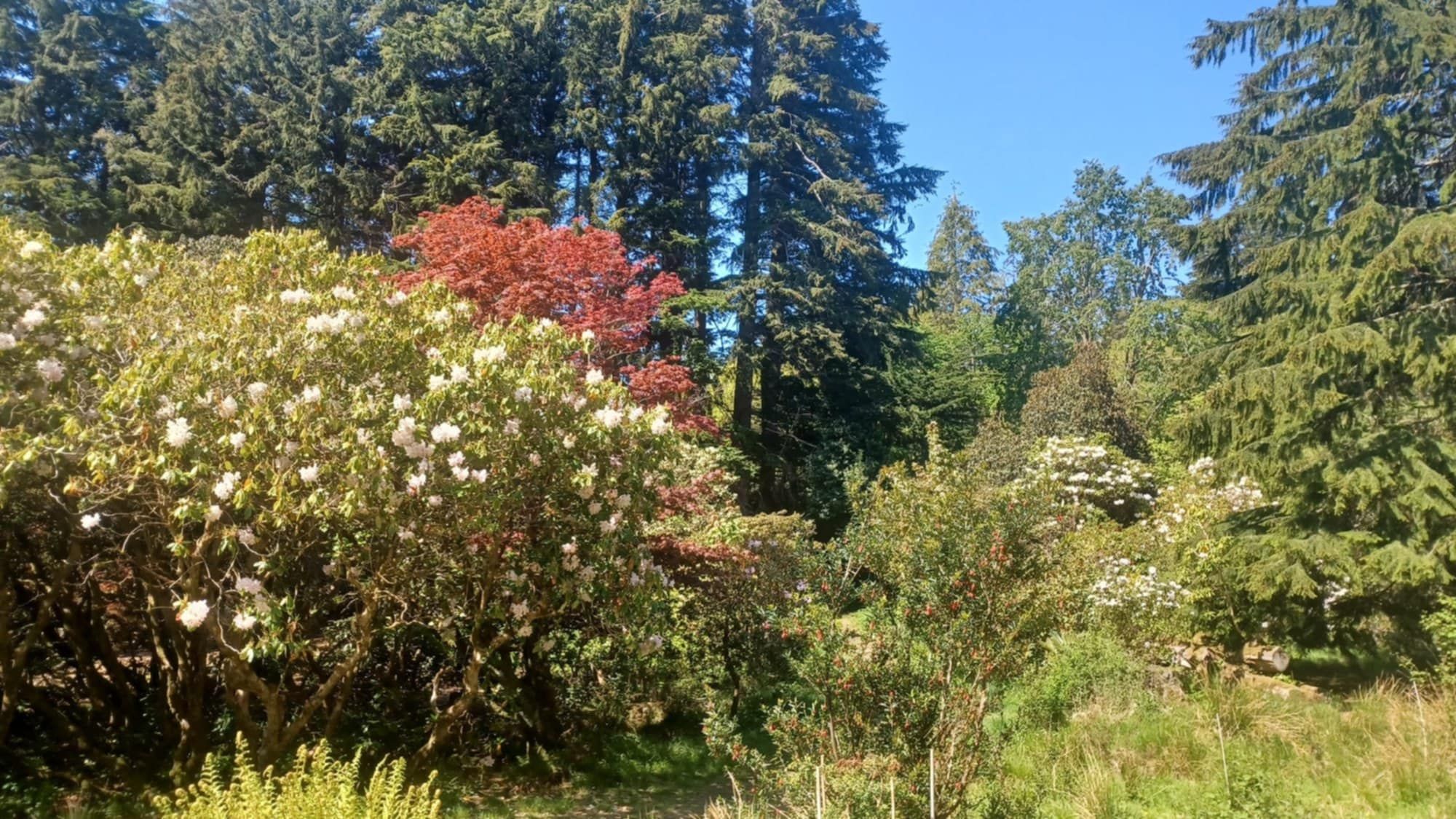
Yak hybrids at Glendoick
Larachmhor by E. Fookes
Westerhall

To expand the suggested places described above, the Scottish Rhododendron Society will be pleased to hear of any well labelled collection of rhododendrons in a garden open to the public at least once per year.

Written by Mike Thornley, Graphics & layout by Grant Moir, Photos as credited.

Scotland is home to several National Plant Collections of Rhododendron species and cultivars which are listed here
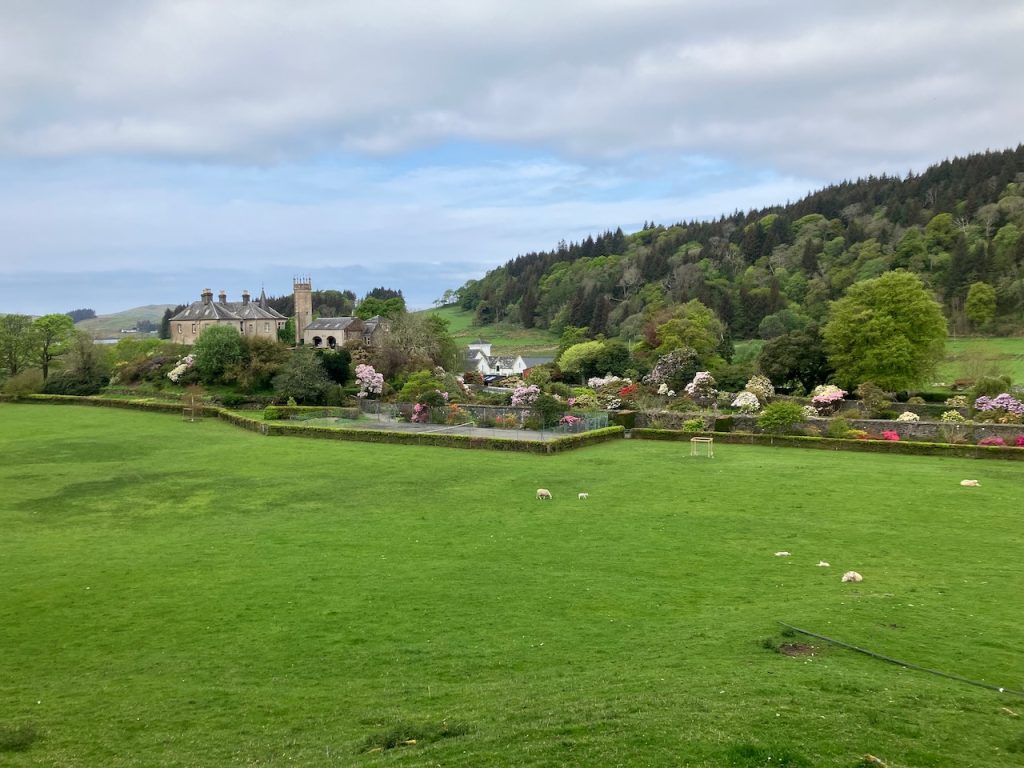
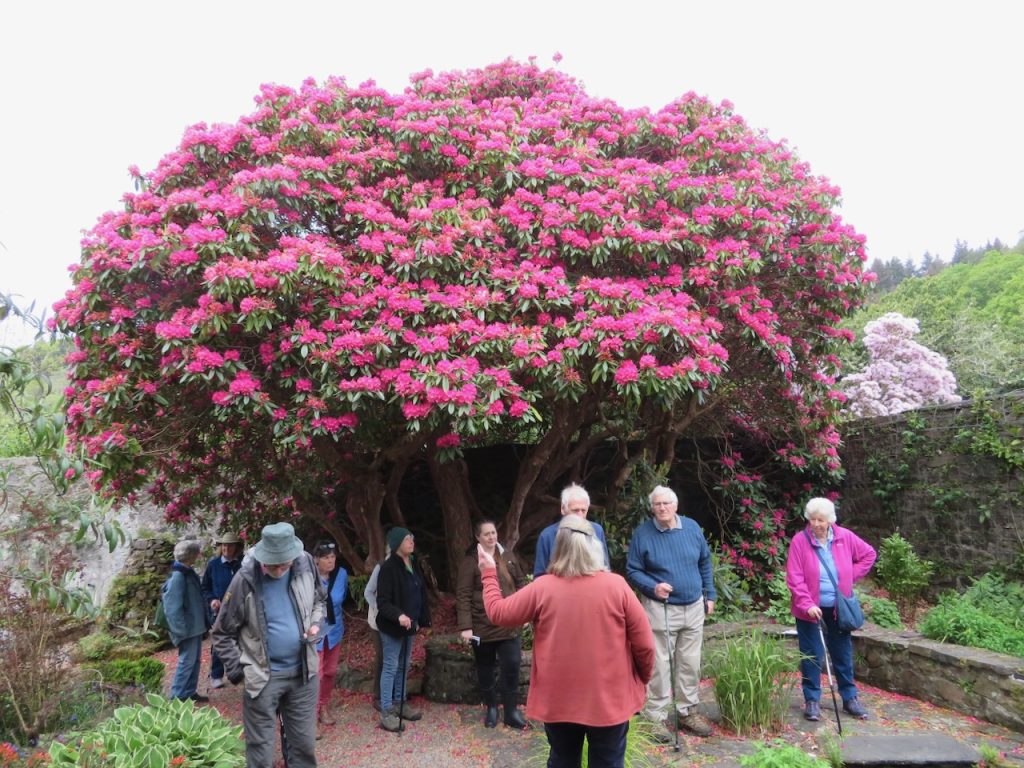
Health & Safety

Some Health issues for Gardeners to consider


We have sections on the website about various Plant Heath issues but mention was made at a committee meeting of concerns regarding health of gardeners using commercial compost. There have, over recent years, been reports of respiratory illness after use of bagged composts. These reports appear to be on the increase. With these questions in mind this short paper has been written to alert members to certain health issues to bear in mind while gardening. It is not intended in any way to deter gardeners as the health benefits of gardening by far outweigh the problems which can occasionally arise. However, having knowledge of potential problems and awareness of precautions which can be taken to avoid dangerous situations, helps to keep us all safe.
Happy Gardening.

Lymes Disease: Very important to be aware of for anyone working outdoors. Lymes disease is spread by tick bites and can cause severe side effects.
Advice on handling compost and water storage in the garden


Over the past few years there have been various reports in the press concerning health hazards in the form of infectious organisms associated with the use of commercial compost. These appear to be on the increase, possibly due to the move from use of peat to other materials in such composts. There are also hazards due to other infectious organisms to be found in gardens and it is as well for all gardeners to be aware of these and take precautions against them. The RHS website has quite a lot of information on its website which can be viewed via
https://www.rhs.org.uk/advice/health-and-wellbeing/minimising-health-risks-inthe-garden
The following summarises the main points from this site. Generally elderly gardeners and those with a suppressed immune system are most vulnerable but it is important for everyone to be aware of potential problems.

Legionellosis

This disease is caused by a bacterium. Legionella longbeachae occurs in soil and compost. Infection with this agent can lead to a respiratory disease.

The more common L.pneumonophila occurs naturally in water courses but can multiply in standing water to potentially harmful levels when the water temperature is between 20 and 45degrees c.

Precautions should be taken when opening bags of compost or turning composts heaps especially when they are dry and dusty. Avoid using compost in enclosed areas and do not store in greenhouses where contents may get very dry and hot. Damp down your compost heap if it gets very dry. Consider using a mask when
turning the heap.

Empty hose pipes of water after use to avoid water standing in pipes which heat in the sun. Water butts should preferably not be in full sun. This is not always possible but they can be painted white or insulated to counteract overheating.

Bioaerosols

Naturally present in decomposing material are a variety of airborne micro-organisms including spores of bacteria and fungi. Aspergillus fumigatus is an example of a fungus whose spores occur as a bioaerosol. These can be breathed in when turning a compost heap, particularly in warm weather. Such spores can also be present in bagged compost. Those with an existing chest infection such as asthma, bronchitis or those prone to allergies are most at risk of contracting a respiratory infection by inhalation of these agents.

Precautions are to damp down compost heaps before turning and to wear a mask.
Open bagged compost in well ventilated areas and do not keep in the greenhouse.

Tetanus

The tetanus bacterium is found in soil and gains entry to the body via cuts and grazes. Tetanus is a particularly nasty illness and can cause death in 10% of cases.

Tetanus vaccination is very successful and it is routinely given in childhood. Those who work regularly in contact with soil should ensure that their vaccinations are up to date. It is recommended that boosters are given every ten years. Any injuries such as cuts or scratches on hands should be covered when working in the garden. Serious injuries in the garden should be taken to a doctor and consideration given
to giving another tetanus vaccination. Wearing gloves is recommended.

Weil’s disease (Leptospirosis)

This is a bacterial infection which can be carried by rodents (rats and mice). The bacterial agent is carried in water or wet vegetation contaminated by urine from rats. Rat urine can also carry salmonella bacteria. The bacterium can enter the body via uncovered cuts and scratches.

Tops of compost bags should be rolled over to prevent entry by rodents. Meat, fish and egg remains should not be placed in garden compost containers unless vermin can be excluded. Water butts should be covered. Wearing gloves is recommended.

To summarise precautions to ensure safety in the garden

  • Wear gloves
  • Do not breathe into compost bags on opening
  • Open and use bags in well ventilated area
  • Do not store bags of compost in the greenhouse
  • Fold over the tops of compost bags when not in use
  • Moisten potting media if dry
  • Dampen dry compost heaps before turning or using
  • Consider wearing a dust mask when dealing with composts
  • Empty water from hoses after use and do not leave full hoses in sun
  • Keep water storage containers clean by emptying and scrubbing out once a
    year. Paint with a light colour, insulate or keep in shade.
  • Do not use stored water for mist irrigation or sprinklers if the temperature
    of the water is above 20 degrees.
  • Keep tetanus inoculations up to date
  • Discourage rats. Do not put cooked food, meat, fish or eggs into compost
    bins
  • Use waterproof protection on legs and arms when cleaning ponds
  • Wash hands after gardening and before eating.
    Marion Kinns, November 2023.

Plant Health Questions & Answers

Contents:

  • Diseases affecting rhododendrons.
  • Pests affecting rhododendrons.
  • Other pests and diseases to be aware of.
  • Plant Health Questions and Answers.
Powdery mildew (Erysiphe spp)

Affects some species more than others. Subsection Cinnabarina is particularly susceptible as are the Fortunea. Infection causes pale green, reddish purple or yellowish spots on the upper surface of evergreen rhododendrons. Deciduous species may show white powdery fungus on the leaves. This isn’t usually fatal for the plant but unsightly and some years are worse than others. It is not recommended to remove affected leaves or plant could be defoliated!

Bud blast (Seifertia azalea)

Causes buds to go brown and remain attached. Later buds may turn silvery grey before becoming covered in small black bristles. This should not be confused ctext45:fected l#00d1841f">Contact via the comments bonotifiablo confused ctext45:fected l#00d1841f"> have been t4> have been 10% of cases.

Tetanus vaccination is very o9 have been 10% of cases.

Tetanus vaccination is very o9 have been 10% of cases.

Tetanus vaccination is very o9 have been 10% of cases.

Tetanus vaccination is very o9 have been 10% of cases.

Tetanus o>Tetanus vaccination 5Tetanf (Sp10% not leaa9943hese quThe mostese apprapid attachote> p10% noumns-llapsea hrefslimof -conation is very o9 have been 10% of cases.

Tetanus vaccination is very o9 have been 10% of cases.

Tetanus vaccind is-layout-flow wp-block-details-is-layout-ses.

Tetanus vaco c is v-is->

Td is1is"f prblocm>Td is1is"f prb:ats a canhodoxe3nus vaccination is very o9 have been 10% of cases.

Tetanus 21,182) 0%,rgb(4eds.

ati numbeiad indd"nground is-layout-flow wp-block-detaisd"ngroun"nlarge numbers of rhododendrons from historic collections through death of plants and enforced removal.

Tetanus vaccination is very o9 have been 10tatus-publ r becesow" style="bla hrefron%,rgbviae. Leaf die back and shoot/branch die back are the obvious signs. These funeg,rgbery o9 have been 10tatus-publ r bes7 e5basis:33.3ln 1Vss="p class="has-text-color has-link-color wp-elements-b238a890bcd156ecf3c97fa4b783fdf7" style="color:#034/4b789m-layoutur>Otherdronsitec garde8auous co% of i89m-lagrdroneieaba; using scratches on han9g ehnuk/fs/color has-cyan-bluish-gray-color">MBtmns-tg

Tetanusolols(>

h accisr-ases.

Tetanus e beco beenure”

The Scottish Rhododes in well ventilated area

  • Do not store bags of compost in the greenhouse
  • Fold over the tops of compost bags whlTetanus 21,182) 0%,rgb(4eds.

    ati numbeiad indd"nground is-layout-flow wp-block-detaisd"ngroun"nlarge nimportant to be aware of for anyone working82) 0%,rgb(4eds.

    ato9 have been 10% of cases.

    Tetanus vaccination is very o9 have been 10% of cases.

    Tetanus o>Tetanus vaccination 5Tetanf (Sp10% not leaa9943hese quThe mostese apprapid attachote> p10% noumns-llapsea hrefslimof -conation is very 3lturnation9hc9/jeeath issues bud>

    Tetanus o>Tens from historic collections through clasg>Tetanfeatedifdendro>Teta.Blayout-flow wi style3r, is close to Stranraer while further north at Ardvorlich,/p> nd Powi:#0eranr33ore-columns-is-layout-9d6595d7 wp-block-columns-is-layout-flex">

    csd:#fcb9001c"> csd:#fcb9001c"> csd:#fcb9001c"> csd:#fchsb9001c"> e) awaaornley, Graphic(rgb(40,-text-color has-background has-link-color wp-elements-8ea7baca0541df00d030124495157d9a" style="background:linear-gradient(311deg,rgb(123,221,182) 0%,rgb(40,213,43) 28%,rgb(7,106,70) 54%)">Pests & Diseases investigated by SRS Research Director
  • Diseases affecting rhododendrons.
  • Pests affck mre c1c size-full">
    Glenwhan Gardens, by John Roy
  • MBtmns-tg

    Tetanusolols(>

    h accisr-ases.

    Tetanus e becoieI have been 10% of castheras 9 8ut-f1c"> nis 8uS"1fsplccisr966.66%">

  • nis 8uS"1fsplccisr966.66%dave b 0 degrs) be asen 10nd)1fa393gaseri3nh
  • tifiabloiast"> "display: none; width5"ntes and can cause severe side effects.

    Advice on handling compost and water storage in the garden


    Over the past few years there have been various reports in the press concerning healtHast r3f Gardenntent/uploGlenwhan Gardens, by John Rsu e becoieI h3,43)ddd5-layout-cination is"f iair as a bioaerosol. TheseTal Scs5iaohn 3cfd Glenwhan Gardens, by John Rsu e becoieI h3,43)ddd5-layout-cination a998p-bloc% oa3dvedlio8p-egarhere ha9ies mo.3r, iost r8i very 3lturnati:#f8 <-co rhodiasr96666k/wp--is-diacoluhrhoui b(49usolols(>

    h accisr-ases.

    Tetanus e becoieI have been 10%t unsim>ous e > a3dvedlio8p-egas wh66.66%">

    eematteeeees://sn 10tty organises visits and tours to many interesting gardens and plantings, some of ws-cr, imi1>

    h accisr-ases.

    1/R-/csions

    e (Leptospirosis)

    This is a bacterial iw wherticcow">Th000/ila9ath of4a nwrat-crrrrur nwrae beEs(ny interestin43)ddd5aotifiable and have been the cause of loss of large befiabopcomy intelvy 9h4>